Buy sun-studio.eu ?
We are moving the project
sun-studio.eu .
Are you interested in purchasing the domain
sun-studio.eu ?
domain@kv-gmbh.de · 0541-91531010
Buy sun-studio.eu ?
What are the differences between metal oxides and nonmetal oxides?
Metal oxides are compounds formed between a metal and oxygen, while nonmetal oxides are compounds formed between a nonmetal and oxygen. Metal oxides tend to be basic in nature, meaning they react with acids to form salts and water. Nonmetal oxides, on the other hand, tend to be acidic in nature, meaning they react with bases to form salts and water. Additionally, metal oxides typically have higher melting and boiling points compared to nonmetal oxides. **
What are the properties of metal oxides and nonmetal oxides?
Metal oxides are typically basic in nature, meaning they react with acids to form salts and water. They are also typically solid at room temperature and have high melting and boiling points. Nonmetal oxides, on the other hand, are usually acidic in nature, meaning they react with bases to form salts and water. They are often gases or liquids at room temperature and have lower melting and boiling points compared to metal oxides. Both types of oxides play important roles in various chemical reactions and industrial processes. **

Similar search terms for Oxides
Top-Angebote
Products related to Oxides:
-
NIVEA SUN Silky UV Stick sunscreen stick SPF 50+ 15 gNIVEA SUN Silky UV Stick, 15 g, Protection against Sunlight for Women, Protect your skin against premature ageing and other damage caused by sun exposure. The delicate skin on your face is far more sensitive than the skin on the rest of your body and is exposed to the sun all year round – another reason why it is important not to neglect skin protection. The NIVEA SUN Silky UV Stick is a sunscreen that reliably protects your skin against UV rays and helps you prevent not just sunburn and pigment spots, but also reduced skin elasticity, collagen loss and other signs of skin ageing. Characteristics: protects skin against UVA and UVB radiation protects the skin against premature ageing practical and sanitary application nourishes skin is absorbed quickly How to use: Apply protective products generously and repeatedly.12,60 £*Shipping: 3,99 £Secure redirect to the provider
-
Uplift Picks Foldable Pet Sunglasses Outdoor Sun Protection Glasses For Dogs And Cats blackGive your furry companion a stylish and functional outdoor accessory with these Pet Sunglasses designed for comfort and sun protection. Featuring a foldable lightweight design, these pet glasses help shield your dog or cats eyes from sunlight, wind,...47,99 $*Shipping: 0,00 $Secure redirect to the provider
-
Daily Deals Depot Cooling Face Sunscreen Mask With Full Coverage Sun Protection grayEnjoy every outdoor adventure without worrying about harsh sun exposure. This UV protection face mask1pcs is designed for outdoor enthusiasts, cyclists, beachgoers, and anyone who spends long hours under the sun. Featuring a comfortable 3D fit and...59,97 $*Shipping: 0,00 $Secure redirect to the provider
-
Uplift Picks Foldable Pet Sunglasses Outdoor Sun Protection Glasses For Dogs And Cats yellowGive your furry companion a stylish and functional outdoor accessory with these Pet Sunglasses designed for comfort and sun protection. Featuring a foldable lightweight design, these pet glasses help shield your dog or cats eyes from sunlight, wind,...47,99 $*Shipping: 0,00 $Secure redirect to the provider




-
What are the differences between metal oxides and non-metal oxides?
Metal oxides are compounds formed between a metal and oxygen, while non-metal oxides are compounds formed between a non-metal and oxygen. Metal oxides tend to be basic in nature, meaning they react with acids to form salts and water, while non-metal oxides tend to be acidic, reacting with bases to form salts and water. Additionally, metal oxides typically have higher melting and boiling points compared to non-metal oxides. **
-
What is the difference between metal oxides and nonmetal oxides in chemistry?
Metal oxides are compounds formed between a metal and oxygen, while nonmetal oxides are compounds formed between a nonmetal and oxygen. Metal oxides tend to be basic in nature, meaning they react with acids to form salts and water. Nonmetal oxides, on the other hand, tend to be acidic in nature, meaning they react with bases to form salts and water. This difference in reactivity is due to the different chemical properties of metals and nonmetals. **
-
What is the difference between metal oxides and non-metal oxides in chemistry?
Metal oxides are compounds formed by the combination of a metal with oxygen, while non-metal oxides are compounds formed by the combination of a non-metal with oxygen. Metal oxides are generally basic in nature, meaning they react with acids to form salts and water. Non-metal oxides, on the other hand, are generally acidic in nature, meaning they react with bases to form salts and water. This difference in reactivity is due to the difference in electronegativity between metals and non-metals. **
-
Are non-metal oxides gaseous?
Non-metal oxides can exist in various states, including solid, liquid, and gaseous forms. Some non-metal oxides, such as carbon dioxide (CO2) and sulfur dioxide (SO2), are gaseous at room temperature and pressure. These gaseous non-metal oxides can play important roles in atmospheric chemistry and environmental processes. **


What are oxides in chemistry?
Oxides in chemistry are compounds that contain oxygen combined with another element. They can be formed by the reaction of oxygen with metals, nonmetals, or metalloids. Oxides can be acidic, basic, or amphoteric depending on the nature of the other element they are combined with. They play a crucial role in various chemical processes and are important in industries such as metallurgy, ceramics, and electronics. **
Where are metal oxides used?
Metal oxides are used in a wide range of applications, including as pigments in paints and ceramics, as catalysts in chemical reactions, and as components in electronic devices such as semiconductors and solar cells. They are also used in the production of metals, as abrasives in grinding and polishing, and as additives in materials such as glass and rubber. Additionally, metal oxides are utilized in the manufacturing of batteries and fuel cells, and in environmental applications such as wastewater treatment and air purification. **
Top-Angebote
Products related to Oxides:
-
Perfect Picks Market Sun Stick Sunscreen Lightweight UV Protection For Face And Body Sun Stick Sunscreen Lightweight UV Protection For Face And BodySun protection should feel effortless, not heavy or greasy. This sleek sun stick sunscreen glides on smoothly, delivering powerful SPF50 defense without disrupting your look. Designed for busy lifestyles, it offers a breathable, matte finish that...39,97 $*Shipping: 0,00 $Secure redirect to the provider
-
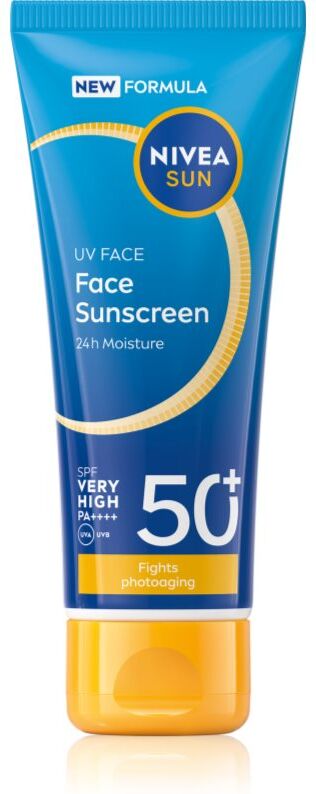
NIVEA SUN UV FACE facial sunscreen SPF 50+ 40 mlNIVEA SUN UV FACE, 40 ml, Protection against Sunlight for Women, Protect your skin against premature ageing and other damage caused by sun exposure. The delicate skin on your face is far more sensitive than the skin on the rest of your body and is exposed to the sun all year round – another reason why it is important not to neglect skin protection. The NIVEA SUN UV FACE is a sunscreen that reliably protects your skin against UV rays and helps you prevent not just sunburn and pigment spots, but also reduced skin elasticity, collagen loss and other signs of skin ageing. Characteristics: protects skin against UVA and UVB radiation protects the skin against premature ageing moisturises intensely is absorbed quickly easy to spread without leaving an oily film8,10 £*Shipping: 3,99 £Secure redirect to the provider
-
NIVEA SUN Silky UV Stick sunscreen stick SPF 50+ 15 gNIVEA SUN Silky UV Stick, 15 g, Protection against Sunlight for Women, Protect your skin against premature ageing and other damage caused by sun exposure. The delicate skin on your face is far more sensitive than the skin on the rest of your body and is exposed to the sun all year round – another reason why it is important not to neglect skin protection. The NIVEA SUN Silky UV Stick is a sunscreen that reliably protects your skin against UV rays and helps you prevent not just sunburn and pigment spots, but also reduced skin elasticity, collagen loss and other signs of skin ageing. Characteristics: protects skin against UVA and UVB radiation protects the skin against premature ageing practical and sanitary application nourishes skin is absorbed quickly How to use: Apply protective products generously and repeatedly.12,60 £*Shipping: 3,99 £Secure redirect to the provider
-
Uplift Picks Foldable Pet Sunglasses Outdoor Sun Protection Glasses For Dogs And Cats blackGive your furry companion a stylish and functional outdoor accessory with these Pet Sunglasses designed for comfort and sun protection. Featuring a foldable lightweight design, these pet glasses help shield your dog or cats eyes from sunlight, wind,...47,99 $*Shipping: 0,00 $Secure redirect to the provider
-
What are the differences between metal oxides and nonmetal oxides?
Metal oxides are compounds formed between a metal and oxygen, while nonmetal oxides are compounds formed between a nonmetal and oxygen. Metal oxides tend to be basic in nature, meaning they react with acids to form salts and water. Nonmetal oxides, on the other hand, tend to be acidic in nature, meaning they react with bases to form salts and water. Additionally, metal oxides typically have higher melting and boiling points compared to nonmetal oxides. **
-
What are the properties of metal oxides and nonmetal oxides?
Metal oxides are typically basic in nature, meaning they react with acids to form salts and water. They are also typically solid at room temperature and have high melting and boiling points. Nonmetal oxides, on the other hand, are usually acidic in nature, meaning they react with bases to form salts and water. They are often gases or liquids at room temperature and have lower melting and boiling points compared to metal oxides. Both types of oxides play important roles in various chemical reactions and industrial processes. **
-
What are the differences between metal oxides and non-metal oxides?
Metal oxides are compounds formed between a metal and oxygen, while non-metal oxides are compounds formed between a non-metal and oxygen. Metal oxides tend to be basic in nature, meaning they react with acids to form salts and water, while non-metal oxides tend to be acidic, reacting with bases to form salts and water. Additionally, metal oxides typically have higher melting and boiling points compared to non-metal oxides. **
-
What is the difference between metal oxides and nonmetal oxides in chemistry?
Metal oxides are compounds formed between a metal and oxygen, while nonmetal oxides are compounds formed between a nonmetal and oxygen. Metal oxides tend to be basic in nature, meaning they react with acids to form salts and water. Nonmetal oxides, on the other hand, tend to be acidic in nature, meaning they react with bases to form salts and water. This difference in reactivity is due to the different chemical properties of metals and nonmetals. **
Similar search terms for Oxides
-
Daily Deals Depot Cooling Face Sunscreen Mask With Full Coverage Sun Protection grayEnjoy every outdoor adventure without worrying about harsh sun exposure. This UV protection face mask1pcs is designed for outdoor enthusiasts, cyclists, beachgoers, and anyone who spends long hours under the sun. Featuring a comfortable 3D fit and...59,97 $*Shipping: 0,00 $Secure redirect to the provider
-
Uplift Picks Foldable Pet Sunglasses Outdoor Sun Protection Glasses For Dogs And Cats yellowGive your furry companion a stylish and functional outdoor accessory with these Pet Sunglasses designed for comfort and sun protection. Featuring a foldable lightweight design, these pet glasses help shield your dog or cats eyes from sunlight, wind,...47,99 $*Shipping: 0,00 $Secure redirect to the provider
-
Uplift Picks Foldable Pet Sunglasses Outdoor Sun Protection Glasses For Dogs And Cats whiteGive your furry companion a stylish and functional outdoor accessory with these Pet Sunglasses designed for comfort and sun protection. Featuring a foldable lightweight design, these pet glasses help shield your dog or cats eyes from sunlight, wind,...47,99 $*Shipping: 0,00 $Secure redirect to the provider
-
Uplift Picks Foldable Pet Sunglasses Outdoor Sun Protection Glasses For Dogs And Cats pinkGive your furry companion a stylish and functional outdoor accessory with these Pet Sunglasses designed for comfort and sun protection. Featuring a foldable lightweight design, these pet glasses help shield your dog or cats eyes from sunlight, wind,...47,99 $*Shipping: 0,00 $Secure redirect to the provider
-
What is the difference between metal oxides and non-metal oxides in chemistry?
Metal oxides are compounds formed by the combination of a metal with oxygen, while non-metal oxides are compounds formed by the combination of a non-metal with oxygen. Metal oxides are generally basic in nature, meaning they react with acids to form salts and water. Non-metal oxides, on the other hand, are generally acidic in nature, meaning they react with bases to form salts and water. This difference in reactivity is due to the difference in electronegativity between metals and non-metals. **
-
Are non-metal oxides gaseous?
Non-metal oxides can exist in various states, including solid, liquid, and gaseous forms. Some non-metal oxides, such as carbon dioxide (CO2) and sulfur dioxide (SO2), are gaseous at room temperature and pressure. These gaseous non-metal oxides can play important roles in atmospheric chemistry and environmental processes. **
-
What are oxides in chemistry?
Oxides in chemistry are compounds that contain oxygen combined with another element. They can be formed by the reaction of oxygen with metals, nonmetals, or metalloids. Oxides can be acidic, basic, or amphoteric depending on the nature of the other element they are combined with. They play a crucial role in various chemical processes and are important in industries such as metallurgy, ceramics, and electronics. **
-
Where are metal oxides used?
Metal oxides are used in a wide range of applications, including as pigments in paints and ceramics, as catalysts in chemical reactions, and as components in electronic devices such as semiconductors and solar cells. They are also used in the production of metals, as abrasives in grinding and polishing, and as additives in materials such as glass and rubber. Additionally, metal oxides are utilized in the manufacturing of batteries and fuel cells, and in environmental applications such as wastewater treatment and air purification. **
* All prices are inclusive of VAT and, if applicable, plus shipping costs. The offer information is based on the details provided by the respective shop and is updated through automated processes. Real-time updates do not occur, so deviations can occur in individual cases. ** Note: Parts of this content were created by AI.