Buy sun-studio.eu ?
We are moving the project
sun-studio.eu .
Are you interested in purchasing the domain
sun-studio.eu ?
domain@kv-gmbh.de · 0541-91531010
Buy sun-studio.eu ?
Which plants are decomposers or decomposers?
Decomposers are organisms that break down dead organic matter, such as leaves, wood, and other plant material. Fungi, such as mushrooms and molds, are the primary decomposers in most ecosystems. Some bacteria and insects also play a role in decomposition. Plants, on the other hand, are not typically decomposers. They are usually producers, using sunlight to create energy through photosynthesis. **
What are decomposers?
Decomposers are organisms that break down dead organic matter, such as dead plants and animals, into simpler substances. They play a crucial role in the ecosystem by recycling nutrients back into the soil, which can then be used by plants for growth. Examples of decomposers include bacteria, fungi, and certain types of insects. Without decomposers, dead organic matter would accumulate and nutrients would not be recycled, leading to a disruption in the balance of the ecosystem. **

Similar search terms for Decomposers
Top-Angebote
Products related to Decomposers:
-
G9 Skin White in Milk Sun Plus Sunscreen 40mL SPF50+A sunscreen for wrinkles and signs of ageing. White in Milk Sun Plus SPF50+/ PA++++, effectively safeguarding the skin against the harmful effects of UVA and UVB rays, all while ensuring there's no white residue left behind. This daily, broad-spectrum sunscreen easily absorbs into the skin, offering SPF50+ and comprehensive protection against both UVA and UVB rays.12,24 £*Shipping: 5,28 £Secure redirect to the provider
-
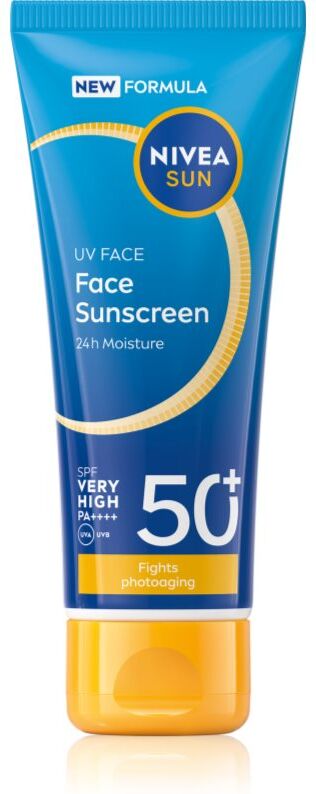
NIVEA SUN UV FACE facial sunscreen SPF 50+ 40 mlNIVEA SUN UV FACE, 40 ml, Protection against Sunlight for Women, Protect your skin against premature ageing and other damage caused by sun exposure. The delicate skin on your face is far more sensitive than the skin on the rest of your body and is exposed to the sun all year round – another reason why it is important not to neglect skin protection. The NIVEA SUN UV FACE is a sunscreen that reliably protects your skin against UV rays and helps you prevent not just sunburn and pigment spots, but also reduced skin elasticity, collagen loss and other signs of skin ageing. Characteristics: protects skin against UVA and UVB radiation protects the skin against premature ageing moisturises intensely is absorbed quickly easy to spread without leaving an oily film7,60 £*Shipping: 3,99 £Secure redirect to the provider
-
milk_shake Sun and More Sunscreen Mist for Hair and Scalp 140mLA sunscreen. Protect hair and scalp with Milk Shake Sun & More Mist —UV defense, hydration, and shine for sun-exposed hair. Sun protection, perfected for hair. Shields hair and scalp from UV damage. Prevents dryness, fading, and sun stress. Hydrates and nourishes for soft, shiny hair. Lightweight mist, easy to apply anytime.20,20 £*Shipping: 5,28 £Secure redirect to the provider
-
NIVEA SUN Silky UV Stick sunscreen stick SPF 50+ 15 gNIVEA SUN Silky UV Stick, 15 g, Protection against Sunlight for Women, Protect your skin against premature ageing and other damage caused by sun exposure. The delicate skin on your face is far more sensitive than the skin on the rest of your body and is exposed to the sun all year round – another reason why it is important not to neglect skin protection. The NIVEA SUN Silky UV Stick is a sunscreen that reliably protects your skin against UV rays and helps you prevent not just sunburn and pigment spots, but also reduced skin elasticity, collagen loss and other signs of skin ageing. Characteristics: protects skin against UVA and UVB radiation protects the skin against premature ageing practical and sanitary application nourishes skin is absorbed quickly How to use: Apply protective products generously and repeatedly.10,71 £*Shipping: 3,99 £Secure redirect to the provider



-
Are these the decomposers?
Yes, the organisms in the image are decomposers. Decomposers are organisms that break down dead organic matter, such as leaves, wood, and other plant material, into simpler substances. They play a crucial role in the ecosystem by recycling nutrients and returning them to the soil for use by plants. The organisms in the image appear to be fungi and bacteria, which are common decomposers in many ecosystems. **
-
What are producers, consumers, and decomposers?
Producers are organisms that create their own food through photosynthesis or chemosynthesis, such as plants and some types of bacteria. Consumers are organisms that obtain their energy by consuming other organisms, such as animals that eat plants or other animals. Decomposers are organisms that break down dead organic matter, such as fungi and bacteria, returning nutrients to the soil for producers to use again. Together, these three groups play a vital role in the flow of energy and nutrients in an ecosystem. **
-
What is a good explanation for decomposers?
Decomposers play a crucial role in ecosystems by breaking down dead organic matter, such as plants and animals, into simpler substances. This process releases nutrients back into the soil, which can then be used by plants for growth. Without decomposers, dead organic matter would accumulate, leading to a decrease in nutrient availability and hindering the recycling of essential elements in the ecosystem. Ultimately, decomposers help maintain the balance and health of ecosystems by facilitating the breakdown and recycling of organic matter. **
-
What are the tasks of the decomposers?
Decomposers play a crucial role in breaking down dead organic matter, such as dead plants and animals, into simpler substances like carbon dioxide, water, and minerals. By doing so, they help to recycle nutrients back into the ecosystem, making them available for other organisms to use. Decomposers also help to clean up and remove waste from the environment, contributing to the overall health and balance of ecosystems. **


Do decomposers exist in desert ecosystems at all?
Yes, decomposers do exist in desert ecosystems. While the extreme conditions of deserts, such as low moisture and high temperatures, can limit the abundance and diversity of decomposers, there are still organisms that play a role in breaking down organic matter. These may include bacteria, fungi, and invertebrates like termites and ants. Their activity is important for nutrient cycling and soil formation in desert environments. **
What is the energy source for consumers, producers, and decomposers?
The energy source for consumers, producers, and decomposers is the sun. Producers, such as plants, use sunlight to convert carbon dioxide and water into energy through the process of photosynthesis. Consumers, such as animals, obtain their energy by consuming producers or other consumers. Decomposers, such as bacteria and fungi, break down organic matter and release the energy stored in the matter back into the ecosystem. Ultimately, all energy in an ecosystem can be traced back to the sun. **
Top-Angebote
Products related to Decomposers:
-
Perfect Picks Market Sun Stick Sunscreen Lightweight UV Protection For Face And Body Sun Stick Sunscreen Lightweight UV Protection For Face And BodySun protection should feel effortless, not heavy or greasy. This sleek sun stick sunscreen glides on smoothly, delivering powerful SPF50 defense without disrupting your look. Designed for busy lifestyles, it offers a breathable, matte finish that...39,97 $*Shipping: 0,00 $Secure redirect to the provider
-
G9 Skin White in Milk Sun Plus Sunscreen 40mL SPF50+A sunscreen for wrinkles and signs of ageing. White in Milk Sun Plus SPF50+/ PA++++, effectively safeguarding the skin against the harmful effects of UVA and UVB rays, all while ensuring there's no white residue left behind. This daily, broad-spectrum sunscreen easily absorbs into the skin, offering SPF50+ and comprehensive protection against both UVA and UVB rays.12,24 £*Shipping: 5,28 £Secure redirect to the provider
-
NIVEA SUN UV FACE facial sunscreen SPF 50+ 40 mlNIVEA SUN UV FACE, 40 ml, Protection against Sunlight for Women, Protect your skin against premature ageing and other damage caused by sun exposure. The delicate skin on your face is far more sensitive than the skin on the rest of your body and is exposed to the sun all year round – another reason why it is important not to neglect skin protection. The NIVEA SUN UV FACE is a sunscreen that reliably protects your skin against UV rays and helps you prevent not just sunburn and pigment spots, but also reduced skin elasticity, collagen loss and other signs of skin ageing. Characteristics: protects skin against UVA and UVB radiation protects the skin against premature ageing moisturises intensely is absorbed quickly easy to spread without leaving an oily film7,60 £*Shipping: 3,99 £Secure redirect to the provider
-
Which plants are decomposers or decomposers?
Decomposers are organisms that break down dead organic matter, such as leaves, wood, and other plant material. Fungi, such as mushrooms and molds, are the primary decomposers in most ecosystems. Some bacteria and insects also play a role in decomposition. Plants, on the other hand, are not typically decomposers. They are usually producers, using sunlight to create energy through photosynthesis. **
-
What are decomposers?
Decomposers are organisms that break down dead organic matter, such as dead plants and animals, into simpler substances. They play a crucial role in the ecosystem by recycling nutrients back into the soil, which can then be used by plants for growth. Examples of decomposers include bacteria, fungi, and certain types of insects. Without decomposers, dead organic matter would accumulate and nutrients would not be recycled, leading to a disruption in the balance of the ecosystem. **
-
Are these the decomposers?
Yes, the organisms in the image are decomposers. Decomposers are organisms that break down dead organic matter, such as leaves, wood, and other plant material, into simpler substances. They play a crucial role in the ecosystem by recycling nutrients and returning them to the soil for use by plants. The organisms in the image appear to be fungi and bacteria, which are common decomposers in many ecosystems. **
-
What are producers, consumers, and decomposers?
Producers are organisms that create their own food through photosynthesis or chemosynthesis, such as plants and some types of bacteria. Consumers are organisms that obtain their energy by consuming other organisms, such as animals that eat plants or other animals. Decomposers are organisms that break down dead organic matter, such as fungi and bacteria, returning nutrients to the soil for producers to use again. Together, these three groups play a vital role in the flow of energy and nutrients in an ecosystem. **
Similar search terms for Decomposers
-
milk_shake Sun and More Sunscreen Mist for Hair and Scalp 140mLA sunscreen. Protect hair and scalp with Milk Shake Sun & More Mist —UV defense, hydration, and shine for sun-exposed hair. Sun protection, perfected for hair. Shields hair and scalp from UV damage. Prevents dryness, fading, and sun stress. Hydrates and nourishes for soft, shiny hair. Lightweight mist, easy to apply anytime.20,20 £*Shipping: 5,28 £Secure redirect to the provider
-
NIVEA SUN Silky UV Stick sunscreen stick SPF 50+ 15 gNIVEA SUN Silky UV Stick, 15 g, Protection against Sunlight for Women, Protect your skin against premature ageing and other damage caused by sun exposure. The delicate skin on your face is far more sensitive than the skin on the rest of your body and is exposed to the sun all year round – another reason why it is important not to neglect skin protection. The NIVEA SUN Silky UV Stick is a sunscreen that reliably protects your skin against UV rays and helps you prevent not just sunburn and pigment spots, but also reduced skin elasticity, collagen loss and other signs of skin ageing. Characteristics: protects skin against UVA and UVB radiation protects the skin against premature ageing practical and sanitary application nourishes skin is absorbed quickly How to use: Apply protective products generously and repeatedly.10,71 £*Shipping: 3,99 £Secure redirect to the provider
-
Uplift Picks Foldable Pet Sunglasses Outdoor Sun Protection Glasses For Dogs And Cats whiteGive your furry companion a stylish and functional outdoor accessory with these Pet Sunglasses designed for comfort and sun protection. Featuring a foldable lightweight design, these pet glasses help shield your dog or cats eyes from sunlight, wind,...47,99 $*Shipping: 0,00 $Secure redirect to the provider
-
Uplift Picks Foldable Pet Sunglasses Outdoor Sun Protection Glasses For Dogs And Cats yellowGive your furry companion a stylish and functional outdoor accessory with these Pet Sunglasses designed for comfort and sun protection. Featuring a foldable lightweight design, these pet glasses help shield your dog or cats eyes from sunlight, wind,...47,99 $*Shipping: 0,00 $Secure redirect to the provider
-
What is a good explanation for decomposers?
Decomposers play a crucial role in ecosystems by breaking down dead organic matter, such as plants and animals, into simpler substances. This process releases nutrients back into the soil, which can then be used by plants for growth. Without decomposers, dead organic matter would accumulate, leading to a decrease in nutrient availability and hindering the recycling of essential elements in the ecosystem. Ultimately, decomposers help maintain the balance and health of ecosystems by facilitating the breakdown and recycling of organic matter. **
-
What are the tasks of the decomposers?
Decomposers play a crucial role in breaking down dead organic matter, such as dead plants and animals, into simpler substances like carbon dioxide, water, and minerals. By doing so, they help to recycle nutrients back into the ecosystem, making them available for other organisms to use. Decomposers also help to clean up and remove waste from the environment, contributing to the overall health and balance of ecosystems. **
-
Do decomposers exist in desert ecosystems at all?
Yes, decomposers do exist in desert ecosystems. While the extreme conditions of deserts, such as low moisture and high temperatures, can limit the abundance and diversity of decomposers, there are still organisms that play a role in breaking down organic matter. These may include bacteria, fungi, and invertebrates like termites and ants. Their activity is important for nutrient cycling and soil formation in desert environments. **
-
What is the energy source for consumers, producers, and decomposers?
The energy source for consumers, producers, and decomposers is the sun. Producers, such as plants, use sunlight to convert carbon dioxide and water into energy through the process of photosynthesis. Consumers, such as animals, obtain their energy by consuming producers or other consumers. Decomposers, such as bacteria and fungi, break down organic matter and release the energy stored in the matter back into the ecosystem. Ultimately, all energy in an ecosystem can be traced back to the sun. **
* All prices are inclusive of VAT and, if applicable, plus shipping costs. The offer information is based on the details provided by the respective shop and is updated through automated processes. Real-time updates do not occur, so deviations can occur in individual cases. ** Note: Parts of this content were created by AI.