Buy sun-studio.eu ?
We are moving the project
sun-studio.eu .
Are you interested in purchasing the domain
sun-studio.eu ?
domain@kv-gmbh.de · 0541-91531010
Buy sun-studio.eu ?
Can you explain saponification?
Saponification is a chemical reaction that occurs when a fat or oil is mixed with a strong alkali, such as sodium hydroxide (lye), resulting in the formation of soap and glycerin. During saponification, the alkali breaks down the ester bonds in the fat molecules, releasing fatty acids and glycerol. The fatty acids then react with the alkali to form soap molecules, while glycerin is a byproduct of the reaction. This process is commonly used in the production of soap. **
Is this saponification reaction equation correct?
Yes, the saponification reaction equation provided is correct. Saponification is the process of making soap by reacting a fat or oil with a strong base, such as sodium hydroxide or potassium hydroxide. The reaction results in the formation of soap (sodium or potassium salts of fatty acids) and glycerol. The equation shown accurately represents this chemical transformation. **

Similar search terms for Saponification
Top-Angebote
Products related to Saponification:
-
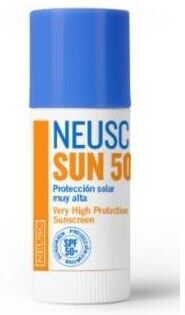
Neusc Sun Stick Sunscreen 24 gr SPF 50+Health and Beauty Creams Neusc Sun Stick Sunscreen 24 gr SPF 50+ The Neusc formula, with its combination of UVA/UVB filters, protects the skin from the harmful effects of the sun by adding a physical-chemical filter to the skin's surface. It forms a barrier that protects against dehydration and redness caused by solar radiation. It is especially recommended for dull skin with very high radiation, for fair skin with high or very high radiation, and for very fair skin with medium or high radiation. Directions for use: External use. Gently glide on in a single stroke and spread over the entire area with your fingertips until completely absorbed. Apply 15 minutes before sun exposure and reapply every 2 hours.8,34 £*Shipping: 3,99 £Secure redirect to the provider
-
Perfect Picks Market Sun Stick Sunscreen Lightweight UV Protection For Face And Body Sun Stick Sunscreen Lightweight UV Protection For Face And BodySun protection should feel effortless, not heavy or greasy. This sleek sun stick sunscreen glides on smoothly, delivering powerful SPF50 defense without disrupting your look. Designed for busy lifestyles, it offers a breathable, matte finish that...39,97 $*Shipping: 0,00 $Secure redirect to the provider
-
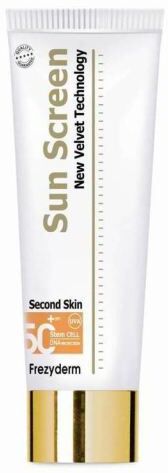
Velvet Sun Screen Velvet Sunscreen Body Spf 50+ 125 mlHealth and Beauty Creams Velvet Sun Screen Velvet Sunscreen Body Spf 50+ 125 ml - Ideal for phototypes I & II, sensitive skin, and skin with moles or scars. Daily use. - Prevents signs of aging and protects against white spots caused by sun exposure. - Suitable for all skin types and all ages. Due to its larger volume, it is suitable for application to large areas of the body, such as the arms, back, and décolletage. - Very high UVB 50+ UVA VIS // IRA protection.30,95 £*Shipping: 3,99 £Secure redirect to the provider
-
G9 Skin White in Milk Sun Plus Sunscreen 40mL SPF50+A sunscreen for wrinkles and signs of ageing. White in Milk Sun Plus SPF50+/ PA++++, effectively safeguarding the skin against the harmful effects of UVA and UVB rays, all while ensuring there's no white residue left behind. This daily, broad-spectrum sunscreen easily absorbs into the skin, offering SPF50+ and comprehensive protection against both UVA and UVB rays.12,24 £*Shipping: 5,28 £Secure redirect to the provider


-
What are chemical reactions in saponification?
Chemical reactions in saponification involve the reaction of a fat or oil with a strong base, typically sodium hydroxide or potassium hydroxide. This reaction results in the formation of soap and glycerol. The fatty acids in the fat or oil react with the base to form the soap molecules, while glycerol is a byproduct of the reaction. Saponification is a key process in soap-making and is essential for the production of soap. **
-
How does saponification work in chemistry?
Saponification is a chemical reaction that involves the hydrolysis of ester bonds in fats and oils by a strong base, typically sodium hydroxide or potassium hydroxide. This reaction results in the formation of glycerol and soap molecules, which are the salts of fatty acids. The hydroxide ions from the base break the ester bonds in the triglyceride molecules, releasing the fatty acids and glycerol. The fatty acids then react with the metal ions from the base to form soap molecules, which are soluble in water and have detergent properties. **
-
What is the equation for saponification?
The general equation for saponification is: ester + base → alcohol + carboxylate salt. In the specific case of the saponification of a triglyceride (fat or oil) with a strong base such as sodium hydroxide, the equation is: triglyceride + sodium hydroxide → glycerol + 3 fatty acid salts. **
-
Need help with calculating the saponification value.
To calculate the saponification value of a fat or oil, you need to know the molecular weight of the fatty acid present in the sample. The saponification value is the amount of potassium hydroxide (KOH) required to saponify one gram of the fat or oil. You can calculate the saponification value using the formula: Saponification value = (560 x saponification equivalent weight) / molecular weight of the fatty acid. This value is important in determining the amount of lye needed for soap making or in quality control of fats and oils. **
How can one determine the saponification value?
The saponification value can be determined by performing a chemical reaction called saponification on a known weight of the fat or oil sample. This reaction involves the hydrolysis of the ester bonds in the fat or oil with a strong base, such as potassium hydroxide. The amount of base required to saponify the fat or oil is then measured, and the saponification value is calculated based on the weight of the sample and the amount of base used. This value is expressed as the number of milligrams of potassium hydroxide required to saponify one gram of the fat or oil sample. **
What is the reaction equation for saponification?
The reaction equation for saponification involves the hydrolysis of an ester, typically a triglyceride, with a strong base such as sodium hydroxide or potassium hydroxide. The general equation for saponification is: Ester + Base → Alcohol + Salt of Fatty Acid. For example, in the saponification of a triglyceride like olive oil, the reaction equation would be: Triglyceride (olive oil) + 3NaOH → Glycerol + 3 Sodium Salts of Fatty Acids (soap). **
Top-Angebote
Products related to Saponification:
-
Neusc Sun Stick Sunscreen 24 gr SPF 30Health and Beauty Creams Neusc Sun Stick Sunscreen 24 gr SPF 30 The Neusc formula, with its combination of UVA/UVB filters, protects the skin from the harmful effects of the sun by adding a physical-chemical filter to the skin's surface. It forms a barrier that protects against dehydration and redness caused by solar radiation. It is especially recommended for dull skin with very high radiation, for fair skin with high or very high radiation, and for very fair skin with medium or high radiation. Directions for use: External use. Gently glide on in a single stroke and spread over the entire area with your fingertips until completely absorbed. Apply 15 minutes before sun exposure and reapply every 2 hours.7,35 £*Shipping: 3,99 £Secure redirect to the provider
-
Neusc Sun Stick Sunscreen 24 gr SPF 50+Health and Beauty Creams Neusc Sun Stick Sunscreen 24 gr SPF 50+ The Neusc formula, with its combination of UVA/UVB filters, protects the skin from the harmful effects of the sun by adding a physical-chemical filter to the skin's surface. It forms a barrier that protects against dehydration and redness caused by solar radiation. It is especially recommended for dull skin with very high radiation, for fair skin with high or very high radiation, and for very fair skin with medium or high radiation. Directions for use: External use. Gently glide on in a single stroke and spread over the entire area with your fingertips until completely absorbed. Apply 15 minutes before sun exposure and reapply every 2 hours.8,34 £*Shipping: 3,99 £Secure redirect to the provider
-
Perfect Picks Market Sun Stick Sunscreen Lightweight UV Protection For Face And Body Sun Stick Sunscreen Lightweight UV Protection For Face And BodySun protection should feel effortless, not heavy or greasy. This sleek sun stick sunscreen glides on smoothly, delivering powerful SPF50 defense without disrupting your look. Designed for busy lifestyles, it offers a breathable, matte finish that...39,97 $*Shipping: 0,00 $Secure redirect to the provider
-
Can you explain saponification?
Saponification is a chemical reaction that occurs when a fat or oil is mixed with a strong alkali, such as sodium hydroxide (lye), resulting in the formation of soap and glycerin. During saponification, the alkali breaks down the ester bonds in the fat molecules, releasing fatty acids and glycerol. The fatty acids then react with the alkali to form soap molecules, while glycerin is a byproduct of the reaction. This process is commonly used in the production of soap. **
-
Is this saponification reaction equation correct?
Yes, the saponification reaction equation provided is correct. Saponification is the process of making soap by reacting a fat or oil with a strong base, such as sodium hydroxide or potassium hydroxide. The reaction results in the formation of soap (sodium or potassium salts of fatty acids) and glycerol. The equation shown accurately represents this chemical transformation. **
-
What are chemical reactions in saponification?
Chemical reactions in saponification involve the reaction of a fat or oil with a strong base, typically sodium hydroxide or potassium hydroxide. This reaction results in the formation of soap and glycerol. The fatty acids in the fat or oil react with the base to form the soap molecules, while glycerol is a byproduct of the reaction. Saponification is a key process in soap-making and is essential for the production of soap. **
-
How does saponification work in chemistry?
Saponification is a chemical reaction that involves the hydrolysis of ester bonds in fats and oils by a strong base, typically sodium hydroxide or potassium hydroxide. This reaction results in the formation of glycerol and soap molecules, which are the salts of fatty acids. The hydroxide ions from the base break the ester bonds in the triglyceride molecules, releasing the fatty acids and glycerol. The fatty acids then react with the metal ions from the base to form soap molecules, which are soluble in water and have detergent properties. **
Similar search terms for Saponification
-
Velvet Sun Screen Velvet Sunscreen Body Spf 50+ 125 mlHealth and Beauty Creams Velvet Sun Screen Velvet Sunscreen Body Spf 50+ 125 ml - Ideal for phototypes I & II, sensitive skin, and skin with moles or scars. Daily use. - Prevents signs of aging and protects against white spots caused by sun exposure. - Suitable for all skin types and all ages. Due to its larger volume, it is suitable for application to large areas of the body, such as the arms, back, and décolletage. - Very high UVB 50+ UVA VIS // IRA protection.30,95 £*Shipping: 3,99 £Secure redirect to the provider
-
G9 Skin White in Milk Sun Plus Sunscreen 40mL SPF50+A sunscreen for wrinkles and signs of ageing. White in Milk Sun Plus SPF50+/ PA++++, effectively safeguarding the skin against the harmful effects of UVA and UVB rays, all while ensuring there's no white residue left behind. This daily, broad-spectrum sunscreen easily absorbs into the skin, offering SPF50+ and comprehensive protection against both UVA and UVB rays.12,24 £*Shipping: 5,28 £Secure redirect to the provider
-
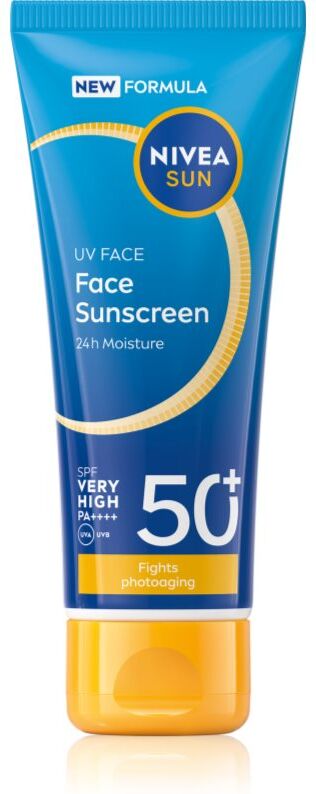
NIVEA SUN UV FACE facial sunscreen SPF 50+ 40 mlNIVEA SUN UV FACE, 40 ml, Protection against Sunlight for Women, Protect your skin against premature ageing and other damage caused by sun exposure. The delicate skin on your face is far more sensitive than the skin on the rest of your body and is exposed to the sun all year round – another reason why it is important not to neglect skin protection. The NIVEA SUN UV FACE is a sunscreen that reliably protects your skin against UV rays and helps you prevent not just sunburn and pigment spots, but also reduced skin elasticity, collagen loss and other signs of skin ageing. Characteristics: protects skin against UVA and UVB radiation protects the skin against premature ageing moisturises intensely is absorbed quickly easy to spread without leaving an oily film7,30 £*Shipping: 3,99 £Secure redirect to the provider
-
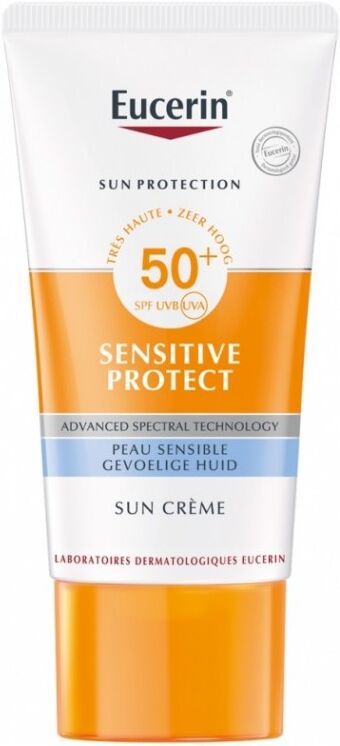
Eucerin Sun Sensitive Sunscreen Cream for Sensitive and Dry Skin SPFHealth and Beauty Creams Eucerin Sun Sensitive Sunscreen Cream for Sensitive and Dry Skin SPF What is Eucerin Sun Sensitive Sunscreen Cream for Sensitive and Dry Skin? Eucerin Sun Sensitive Sunscreen Cream for Sensitive and Dry Skin is an advanced sunscreen designed especially for those with sensitive and dry skin. Formulated by Eucerin, a brand renowned for its commitment to scientific dermatology, this cream not only protects against harmful sun rays, but also cares for and soothes delicate skin. Benefits This sunscreen provides broad protection against UVA and UVB rays, thanks to its highly effective filter. Its formula, enriched with moisturizing and soothing ingredients such as vitamin E and glycerin, helps keep sensitive and dry skin soft and comfortable all day long under the sun. In addition to protecting against sunburn, it also helps prevent premature skin aging caused by sun exposure. Who is it for? Eucerin Sun Sensitive Sunscreen Cream is specially formulated for people with sensitive and dry skin who need effective and safe sun protection. It is ideal for those looking for a product that not only protects against UV rays, but also provides hydration and soothes the skin during sun exposure. How do I apply it? Apply generously to skin before sun exposure. It is important to ensure that all exposed skin areas are covered for adequate protection. Reapply frequently, especially after swimming, sweating or towel drying, to maintain product effectiveness. Product Usage Eucerin Sun Sensitive Sunscreen Cream for Sensitive and Dry Skin is ideal for daily use as part of your skincare routine. It is light and fast-absorbing, leaves no greasy residue and is dermatologically tested to minimise the risk of irritation on sensitive skin. You can rely on this sunscreen to keep your skin protected, hydrated and soothed during every sun exposure. Buy Eucerin Sun Sensitive Sunscreen Cream for Sensitive and Dry Skin Get your Eucerin Sun Sensitive sunscreen now and give your sensitive and dry skin the protection and care it deserves. With its advanced, soothing formula, it is the ideal choice for those who value both efficacy and safety in dermatological products. Protect your skin today and enjoy the sun with peace of mind.21,61 £*Shipping: 3,99 £Secure redirect to the provider
-
What is the equation for saponification?
The general equation for saponification is: ester + base → alcohol + carboxylate salt. In the specific case of the saponification of a triglyceride (fat or oil) with a strong base such as sodium hydroxide, the equation is: triglyceride + sodium hydroxide → glycerol + 3 fatty acid salts. **
-
Need help with calculating the saponification value.
To calculate the saponification value of a fat or oil, you need to know the molecular weight of the fatty acid present in the sample. The saponification value is the amount of potassium hydroxide (KOH) required to saponify one gram of the fat or oil. You can calculate the saponification value using the formula: Saponification value = (560 x saponification equivalent weight) / molecular weight of the fatty acid. This value is important in determining the amount of lye needed for soap making or in quality control of fats and oils. **
-
How can one determine the saponification value?
The saponification value can be determined by performing a chemical reaction called saponification on a known weight of the fat or oil sample. This reaction involves the hydrolysis of the ester bonds in the fat or oil with a strong base, such as potassium hydroxide. The amount of base required to saponify the fat or oil is then measured, and the saponification value is calculated based on the weight of the sample and the amount of base used. This value is expressed as the number of milligrams of potassium hydroxide required to saponify one gram of the fat or oil sample. **
-
What is the reaction equation for saponification?
The reaction equation for saponification involves the hydrolysis of an ester, typically a triglyceride, with a strong base such as sodium hydroxide or potassium hydroxide. The general equation for saponification is: Ester + Base → Alcohol + Salt of Fatty Acid. For example, in the saponification of a triglyceride like olive oil, the reaction equation would be: Triglyceride (olive oil) + 3NaOH → Glycerol + 3 Sodium Salts of Fatty Acids (soap). **
* All prices are inclusive of VAT and, if applicable, plus shipping costs. The offer information is based on the details provided by the respective shop and is updated through automated processes. Real-time updates do not occur, so deviations can occur in individual cases. ** Note: Parts of this content were created by AI.