Buy sun-studio.eu ?
We are moving the project
sun-studio.eu .
Are you interested in purchasing the domain
sun-studio.eu ?
domain@kv-gmbh.de · 0541-91531010
Buy sun-studio.eu ?
Can only primates blow?
No, only primates cannot blow. Many animals, including birds, fish, and some reptiles, are capable of blowing or expelling air from their bodies. For example, birds use their beaks to blow air to clean their feathers, and some fish can blow bubbles to create nests or scare away predators. Therefore, the ability to blow is not exclusive to primates. **
Which monkeys belong to the primates?
All monkeys belong to the primates. **

Similar search terms for Primates
Top-Angebote
Products related to Primates:
-
G9 Skin White in Milk Sun Plus Sunscreen 40mL SPF50+A sunscreen for wrinkles and signs of ageing. White in Milk Sun Plus SPF50+/ PA++++, effectively safeguarding the skin against the harmful effects of UVA and UVB rays, all while ensuring there's no white residue left behind. This daily, broad-spectrum sunscreen easily absorbs into the skin, offering SPF50+ and comprehensive protection against both UVA and UVB rays.12,24 £*Shipping: 5,28 £Secure redirect to the provider
-
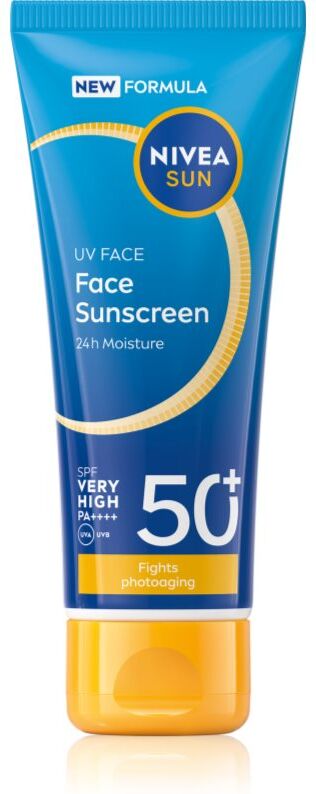
NIVEA SUN UV FACE facial sunscreen SPF 50+ 40 mlNIVEA SUN UV FACE, 40 ml, Protection against Sunlight for Women, Protect your skin against premature ageing and other damage caused by sun exposure. The delicate skin on your face is far more sensitive than the skin on the rest of your body and is exposed to the sun all year round – another reason why it is important not to neglect skin protection. The NIVEA SUN UV FACE is a sunscreen that reliably protects your skin against UV rays and helps you prevent not just sunburn and pigment spots, but also reduced skin elasticity, collagen loss and other signs of skin ageing. Characteristics: protects skin against UVA and UVB radiation protects the skin against premature ageing moisturises intensely is absorbed quickly easy to spread without leaving an oily film7,60 £*Shipping: 3,99 £Secure redirect to the provider
-
milk_shake Sun and More Sunscreen Mist for Hair and Scalp 140mLA sunscreen. Protect hair and scalp with Milk Shake Sun & More Mist —UV defense, hydration, and shine for sun-exposed hair. Sun protection, perfected for hair. Shields hair and scalp from UV damage. Prevents dryness, fading, and sun stress. Hydrates and nourishes for soft, shiny hair. Lightweight mist, easy to apply anytime.20,20 £*Shipping: 5,28 £Secure redirect to the provider
-
NIVEA SUN Silky UV Stick sunscreen stick SPF 50+ 15 gNIVEA SUN Silky UV Stick, 15 g, Protection against Sunlight for Women, Protect your skin against premature ageing and other damage caused by sun exposure. The delicate skin on your face is far more sensitive than the skin on the rest of your body and is exposed to the sun all year round – another reason why it is important not to neglect skin protection. The NIVEA SUN Silky UV Stick is a sunscreen that reliably protects your skin against UV rays and helps you prevent not just sunburn and pigment spots, but also reduced skin elasticity, collagen loss and other signs of skin ageing. Characteristics: protects skin against UVA and UVB radiation protects the skin against premature ageing practical and sanitary application nourishes skin is absorbed quickly How to use: Apply protective products generously and repeatedly.10,71 £*Shipping: 3,99 £Secure redirect to the provider



-
Can humans reproduce with other primates?
No, humans cannot reproduce with other primates. While humans and other primates share a common ancestor, the genetic differences between humans and other primates are too great to allow for successful reproduction. Additionally, humans have 23 pairs of chromosomes, while other primates have a different number of chromosomes, making it biologically impossible for successful interbreeding to occur. **
-
What are the fundamental rights for primates?
The fundamental rights for primates include the right to life, freedom from torture and cruel treatment, and the right to live in a suitable environment. These rights are based on the understanding that primates are sentient beings capable of experiencing pain and suffering, and therefore deserve to be protected from harm. Additionally, primates have the right to socialize with others of their kind, engage in natural behaviors, and have their physical and psychological well-being taken into consideration. These rights are important for ensuring the ethical treatment of primates in captivity and in the wild. **
-
Why are monkeys referred to as primates?
Monkeys are referred to as primates because they belong to the biological order of Primates, which also includes apes, lemurs, and humans. Primates are characterized by having grasping hands and feet, forward-facing eyes, and large brains relative to body size. They are also known for their complex social behaviors and intelligence. Monkeys share these characteristics with other members of the primate order, which is why they are classified as primates. **
-
How do primates like humans resemble each other?
Primates like humans share many similarities, including opposable thumbs that allow for grasping objects and tools. They also have complex social structures, with the ability to form strong emotional bonds and engage in cooperative behaviors. Additionally, primates, including humans, have forward-facing eyes that provide depth perception and a well-developed brain capable of problem-solving and learning. These shared characteristics suggest a close evolutionary relationship among primates. **
How closely related are primates and deer actually?
Primates and deer are not closely related at all. Primates belong to the order Primates, which includes animals like monkeys, apes, and humans. Deer, on the other hand, belong to the order Artiodactyla, which includes even-toed ungulates like cows, pigs, and giraffes. These two orders are not closely related in terms of evolutionary history, and they have distinct physical and behavioral characteristics. Therefore, primates and deer are quite different and not closely related at all. **
Why have people never domesticated primates as pets?
People have never domesticated primates as pets for several reasons. Primates have complex social structures and specialized dietary needs that are difficult to replicate in a domestic setting. They also have strong physical abilities and intelligence that can make them dangerous and difficult to control. Additionally, primates can carry zoonotic diseases that can be transmitted to humans, posing a health risk. Overall, the challenges and risks associated with keeping primates as pets have deterred people from domesticating them. **
Top-Angebote
Products related to Primates:
-
Perfect Picks Market Sun Stick Sunscreen Lightweight UV Protection For Face And Body Sun Stick Sunscreen Lightweight UV Protection For Face And BodySun protection should feel effortless, not heavy or greasy. This sleek sun stick sunscreen glides on smoothly, delivering powerful SPF50 defense without disrupting your look. Designed for busy lifestyles, it offers a breathable, matte finish that...39,97 $*Shipping: 0,00 $Secure redirect to the provider
-
G9 Skin White in Milk Sun Plus Sunscreen 40mL SPF50+A sunscreen for wrinkles and signs of ageing. White in Milk Sun Plus SPF50+/ PA++++, effectively safeguarding the skin against the harmful effects of UVA and UVB rays, all while ensuring there's no white residue left behind. This daily, broad-spectrum sunscreen easily absorbs into the skin, offering SPF50+ and comprehensive protection against both UVA and UVB rays.12,24 £*Shipping: 5,28 £Secure redirect to the provider
-
NIVEA SUN UV FACE facial sunscreen SPF 50+ 40 mlNIVEA SUN UV FACE, 40 ml, Protection against Sunlight for Women, Protect your skin against premature ageing and other damage caused by sun exposure. The delicate skin on your face is far more sensitive than the skin on the rest of your body and is exposed to the sun all year round – another reason why it is important not to neglect skin protection. The NIVEA SUN UV FACE is a sunscreen that reliably protects your skin against UV rays and helps you prevent not just sunburn and pigment spots, but also reduced skin elasticity, collagen loss and other signs of skin ageing. Characteristics: protects skin against UVA and UVB radiation protects the skin against premature ageing moisturises intensely is absorbed quickly easy to spread without leaving an oily film7,60 £*Shipping: 3,99 £Secure redirect to the provider
-
Can only primates blow?
No, only primates cannot blow. Many animals, including birds, fish, and some reptiles, are capable of blowing or expelling air from their bodies. For example, birds use their beaks to blow air to clean their feathers, and some fish can blow bubbles to create nests or scare away predators. Therefore, the ability to blow is not exclusive to primates. **
-
Which monkeys belong to the primates?
All monkeys belong to the primates. **
-
Can humans reproduce with other primates?
No, humans cannot reproduce with other primates. While humans and other primates share a common ancestor, the genetic differences between humans and other primates are too great to allow for successful reproduction. Additionally, humans have 23 pairs of chromosomes, while other primates have a different number of chromosomes, making it biologically impossible for successful interbreeding to occur. **
-
What are the fundamental rights for primates?
The fundamental rights for primates include the right to life, freedom from torture and cruel treatment, and the right to live in a suitable environment. These rights are based on the understanding that primates are sentient beings capable of experiencing pain and suffering, and therefore deserve to be protected from harm. Additionally, primates have the right to socialize with others of their kind, engage in natural behaviors, and have their physical and psychological well-being taken into consideration. These rights are important for ensuring the ethical treatment of primates in captivity and in the wild. **
Similar search terms for Primates
-
milk_shake Sun and More Sunscreen Mist for Hair and Scalp 140mLA sunscreen. Protect hair and scalp with Milk Shake Sun & More Mist —UV defense, hydration, and shine for sun-exposed hair. Sun protection, perfected for hair. Shields hair and scalp from UV damage. Prevents dryness, fading, and sun stress. Hydrates and nourishes for soft, shiny hair. Lightweight mist, easy to apply anytime.20,20 £*Shipping: 5,28 £Secure redirect to the provider
-
NIVEA SUN Silky UV Stick sunscreen stick SPF 50+ 15 gNIVEA SUN Silky UV Stick, 15 g, Protection against Sunlight for Women, Protect your skin against premature ageing and other damage caused by sun exposure. The delicate skin on your face is far more sensitive than the skin on the rest of your body and is exposed to the sun all year round – another reason why it is important not to neglect skin protection. The NIVEA SUN Silky UV Stick is a sunscreen that reliably protects your skin against UV rays and helps you prevent not just sunburn and pigment spots, but also reduced skin elasticity, collagen loss and other signs of skin ageing. Characteristics: protects skin against UVA and UVB radiation protects the skin against premature ageing practical and sanitary application nourishes skin is absorbed quickly How to use: Apply protective products generously and repeatedly.10,71 £*Shipping: 3,99 £Secure redirect to the provider
-
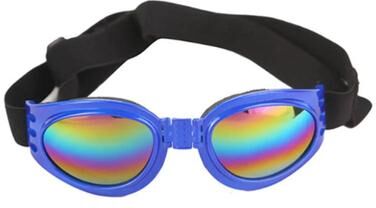
Uplift Picks Foldable Pet Sunglasses Outdoor Sun Protection Glasses For Dogs And Cats blueGive your furry companion a stylish and functional outdoor accessory with these Pet Sunglasses designed for comfort and sun protection. Featuring a foldable lightweight design, these pet glasses help shield your dog or cats eyes from sunlight, wind,...47,99 $*Shipping: 0,00 $Secure redirect to the provider
-
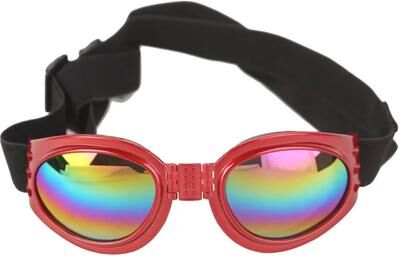
Uplift Picks Foldable Pet Sunglasses Outdoor Sun Protection Glasses For Dogs And Cats redGive your furry companion a stylish and functional outdoor accessory with these Pet Sunglasses designed for comfort and sun protection. Featuring a foldable lightweight design, these pet glasses help shield your dog or cats eyes from sunlight, wind,...47,99 $*Shipping: 0,00 $Secure redirect to the provider
-
Why are monkeys referred to as primates?
Monkeys are referred to as primates because they belong to the biological order of Primates, which also includes apes, lemurs, and humans. Primates are characterized by having grasping hands and feet, forward-facing eyes, and large brains relative to body size. They are also known for their complex social behaviors and intelligence. Monkeys share these characteristics with other members of the primate order, which is why they are classified as primates. **
-
How do primates like humans resemble each other?
Primates like humans share many similarities, including opposable thumbs that allow for grasping objects and tools. They also have complex social structures, with the ability to form strong emotional bonds and engage in cooperative behaviors. Additionally, primates, including humans, have forward-facing eyes that provide depth perception and a well-developed brain capable of problem-solving and learning. These shared characteristics suggest a close evolutionary relationship among primates. **
-
How closely related are primates and deer actually?
Primates and deer are not closely related at all. Primates belong to the order Primates, which includes animals like monkeys, apes, and humans. Deer, on the other hand, belong to the order Artiodactyla, which includes even-toed ungulates like cows, pigs, and giraffes. These two orders are not closely related in terms of evolutionary history, and they have distinct physical and behavioral characteristics. Therefore, primates and deer are quite different and not closely related at all. **
-
Why have people never domesticated primates as pets?
People have never domesticated primates as pets for several reasons. Primates have complex social structures and specialized dietary needs that are difficult to replicate in a domestic setting. They also have strong physical abilities and intelligence that can make them dangerous and difficult to control. Additionally, primates can carry zoonotic diseases that can be transmitted to humans, posing a health risk. Overall, the challenges and risks associated with keeping primates as pets have deterred people from domesticating them. **
* All prices are inclusive of VAT and, if applicable, plus shipping costs. The offer information is based on the details provided by the respective shop and is updated through automated processes. Real-time updates do not occur, so deviations can occur in individual cases. ** Note: Parts of this content were created by AI.