Buy sun-studio.eu ?
We are moving the project
sun-studio.eu .
Are you interested in purchasing the domain
sun-studio.eu ?
domain@kv-gmbh.de · 0541-91531010
Buy sun-studio.eu ?
What is the difference between "lui e insegnante" and "lui fa l'insegnante"?
"Lui e insegnante" means "he is a teacher," indicating that teaching is his profession. "Lui fa l'insegnante" means "he works as a teacher," indicating that teaching is his current job or occupation. The first sentence describes his identity, while the second describes his current activity. **
Should it be a dry or sweet sauvignon blanc?
Whether to choose a dry or sweet sauvignon blanc depends on personal preference and the occasion. Dry sauvignon blanc is typically more crisp and refreshing, making it a great choice for pairing with seafood or salads. On the other hand, a sweet sauvignon blanc can be a good option for those who prefer a fruitier, more aromatic wine, and it can pair well with spicy dishes or desserts. Ultimately, the decision should be based on individual taste and the specific meal or setting. **

Similar search terms for Pasqua-Lui-Cabernet-Sauvignon
Top-Angebote
Products related to Pasqua-Lui-Cabernet-Sauvignon:
-
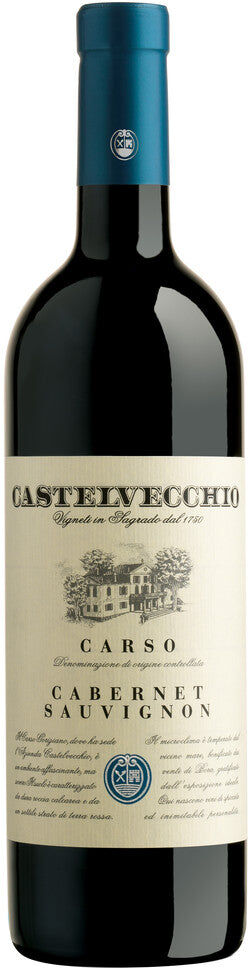
Cabernet Sauvignon Castelvecchio 2023The Cabernet Sauvignon of the Castelvecchio winery is a proud interpretation of an international grape variety that has been able to set very high standards of quality throughout the world and that here, in the Karst region, succeeds in expressing all the power and fullness of its fruit. The predominantly calcareous soil rich in minerals, aided by a climate mitigated by the Bora, a typical wind of the area, allows these grapes to develop such strength and fullness as to produce a wine with splendid ageing capabilities. The Castelvecchio 's Cabernet Sauvignon grapes are the last to be processed compared to all the other vines on the estate. Harvesting in fact begins in mid-October, so that the full ripeness of the fruit of this extraordinary vine can be exploited. Once in the cellar and fermentation has begun, the wine is placed in steel vats for approximately 4 months to complete malolactic fermentation. The Cabernet Sauvignon then spends a year in French and Californian oak barrels and a further 12 months in Slavonian oak tonneaux. The process is completed by an ageing period of 4 to 6 months in the bottle. The Cabernet Sauvignon Castelvecchio presents itself to the glass with rubicund vigour and brown hues, as if anticipating its great aromatic depth. The first breath is pampered by spicy notes of cinnamon and vanilla followed by the sweetness and elegance of cherries in spirit and raspberry. Closing the aromatic mosaic is the mineral note, a true signature of the Karst. When brought to the mouth, this Cabernet Sauvignon opens sincerely, expressing all its warmth and softness. The pleasantly thick structure almost invites chewing that betrays the great persistence of this wine. Full and karstic in its vigour, this interpretation of Cabernet Sauvignon is an excellent companion when enjoyed during a barbecue with friends or savoured on its own while awaiting the first winds of autumn.14,00 £*Shipping: 48,00 £Secure redirect to the provider
-
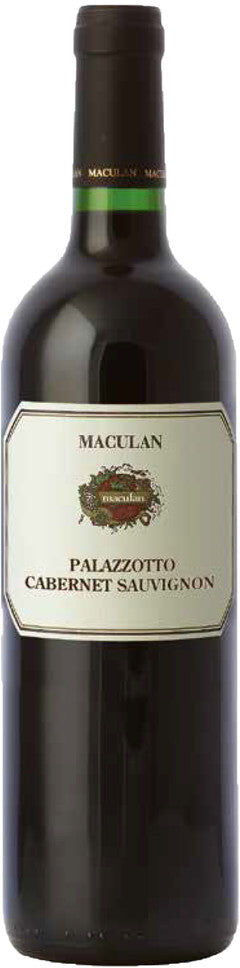
Cabernet Sauvignon 'Palazzotto' Maculan 2022The Cabernet Sauvignon "Palazzotto" by Maculan is a Veneto red with good structure and aromatic intensity, confirming the excellent adaptation of this noble Bordeaux variety to the hilly territory and the cool, temperate climate of the Breganze area. The long aging in barrique makes the sip harmonious and evolved, giving a profile with a rather international character. The “Palazzotto” Cabernet Sauvignon is born in the Breganze estate of Fausto Maculan, one of the great names in Italian wine, a pioneer in the production of great reds in the Vicenza area. His desire to create important labels with French grape varieties from Bordeaux led him to choose the best parcels, to plant vines at very high density, and to drastically lower yields in the vineyard. The winery has embraced a business philosophy dedicated solely to excellence, made possible by a particularly suited terroir, with tuff soils of volcanic origin and an ideal climate to bring Bordeaux grape varieties to full ripeness. The grapes are hand-harvested and the fermentation takes place in stainless steel tanks with a skin maceration lasting eight days and frequent pump-overs. After racking, the Cabernet Sauvignon rests for 12 months in French oak barriques, half new and half second passage. The Cabernet Sauvignon Maculan "Palazzotto" is a beautiful interpretation of this famous Bordeaux grape variety, which fascinates with its complex aromas and its natural expressive elegance. In the glass, it has a brilliant ruby red color. On the nose, it releases refined aromas of small red berries, licorice, red fruit, delicate spices, and slight woody notes. On the palate, it has important structure and body, with a long and powerful sip, dense tannins, and a balanced finish.23,00 £*Shipping: 48,00 £Secure redirect to the provider
-
What does 'leur' and 'lui' mean?
In French, 'leur' is a pronoun that means 'their' or 'them' when referring to a group of people or things. It is used to indicate possession or indirect object. On the other hand, 'lui' is a pronoun that means 'him' or 'her' when referring to a singular person. It is used to indicate possession or as an indirect object. **
-
What is the difference between lui and son?
In French, "lui" is a third person singular indirect object pronoun that means "him" or "her," while "son" is a possessive adjective that means "his" or "her." The main difference between the two is that "lui" is used to refer to a person indirectly, while "son" is used to show possession or ownership of something by a person. For example, "Je lui parle" means "I am talking to him/her," while "Son livre" means "His/her book." **
-
How are the object pronouns lui and leur used?
The object pronouns lui and leur are used to replace indirect objects in French. Lui is used to replace singular indirect objects, while leur is used to replace plural indirect objects. These pronouns come before the verb in a sentence and agree in gender and number with the noun they are replacing. For example, "Je lui parle" means "I am talking to him/her" and "Je leur donne des cadeaux" means "I am giving them gifts." **
-
Has Lui also made serious films or only comedies?
Yes, Lui has also made serious films in addition to comedies. While he is known for his comedic roles and performances, he has also taken on more dramatic and serious roles in films. Lui has showcased his versatility as an actor by taking on a range of characters in both comedic and serious films, demonstrating his ability to excel in various genres. **

'I don't understand the use of lui and leur?'
In French, "lui" and "leur" are both used as indirect object pronouns to replace nouns that are the recipients of the action. "Lui" is used to refer to a singular masculine or feminine noun, while "leur" is used to refer to a plural noun. For example, "Je lui ai donné le livre" means "I gave him/her the book," and "Je leur ai donné les livres" means "I gave them the books." It's important to remember that these pronouns must agree in gender and number with the noun they are replacing. **
How do you use the object pronouns lui and leur?
The object pronoun "lui" is used to replace indirect objects referring to a singular person, while "leur" is used to replace indirect objects referring to plural people. For example, "Je lui parle" means "I am talking to him/her" and "Je leur donne des cadeaux" means "I am giving gifts to them." These pronouns come before the verb in a sentence and help avoid repetition of the indirect object. **
Top-Angebote
Products related to Pasqua-Lui-Cabernet-Sauvignon:
-
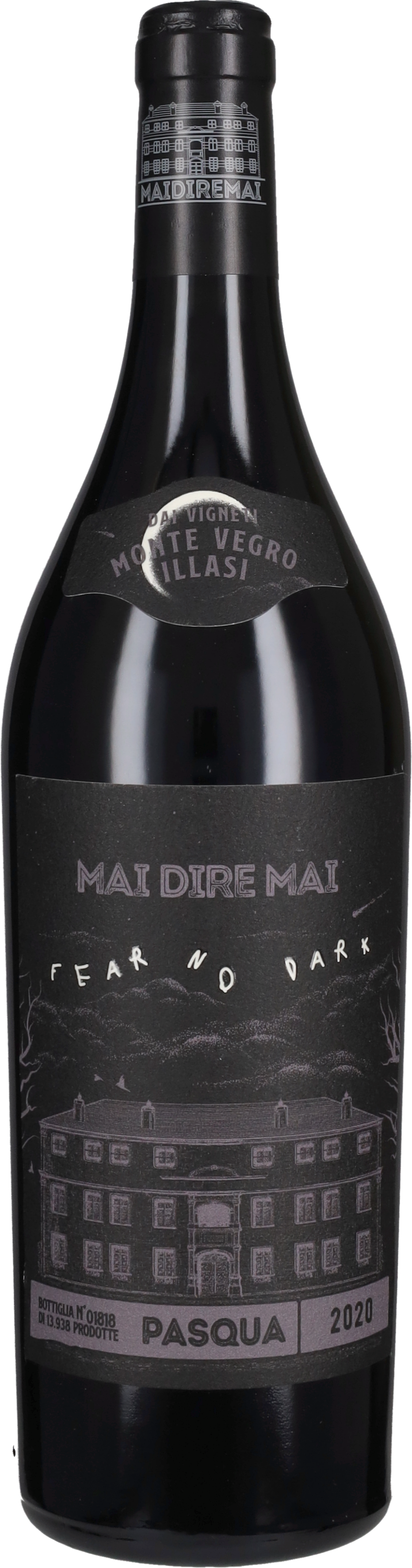
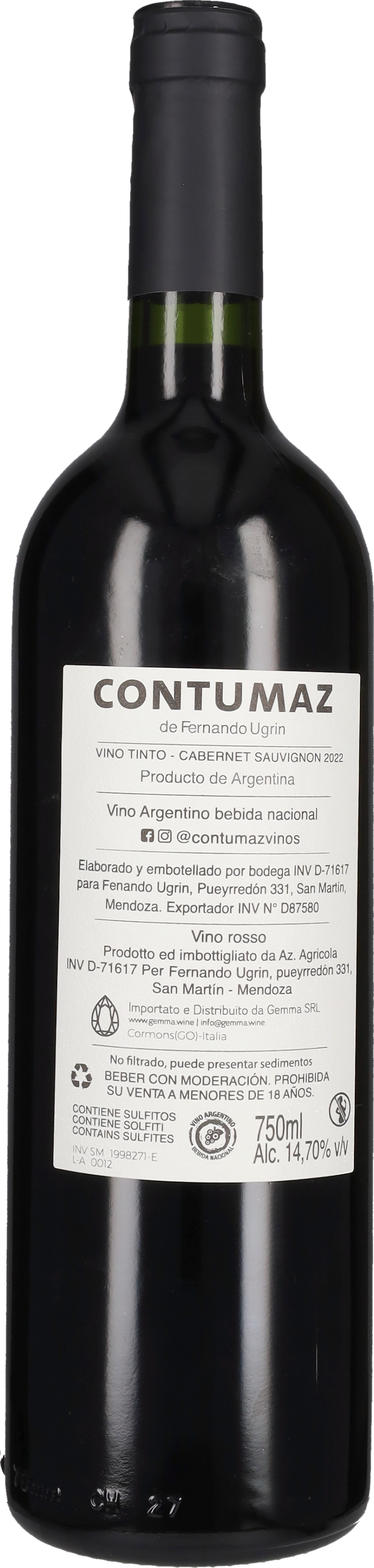
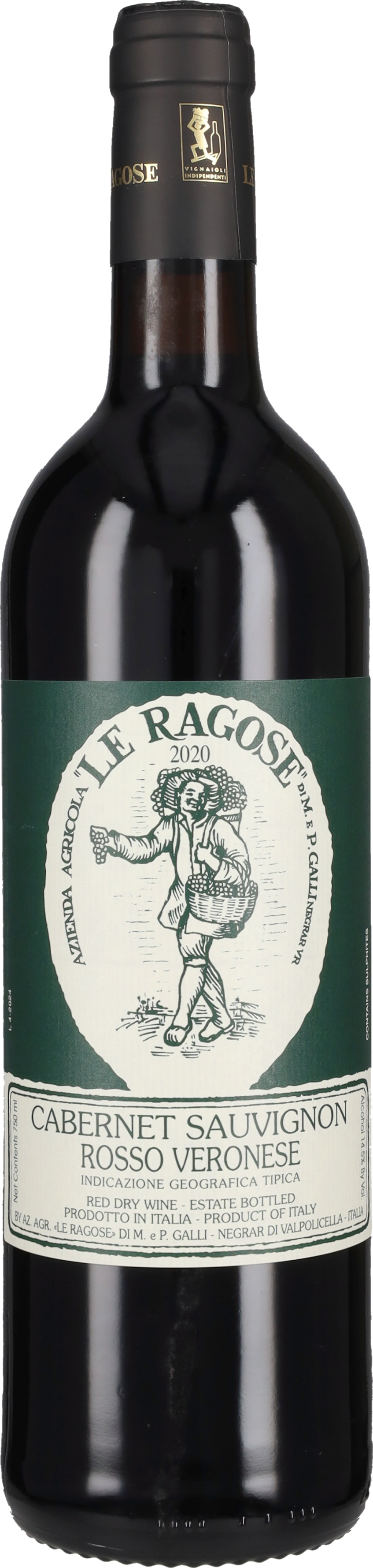
"""Pasqua Lui Cabernet Sauvignon 2018 Red Wine - Italy""""""Rich, fleshy and complex on the palate with layers of dark fruit. The use of barrels creates notes on the nose of vanilla bourbon, very sweet but delicate - baba' cream and mascarpone notes with rum, almonds, officinal herbs, dry vegetables, hay...."24,97 $*Shipping: 0,00 $Secure redirect to the provider
-
Cabernet Sauvignon Castelvecchio 2023The Cabernet Sauvignon of the Castelvecchio winery is a proud interpretation of an international grape variety that has been able to set very high standards of quality throughout the world and that here, in the Karst region, succeeds in expressing all the power and fullness of its fruit. The predominantly calcareous soil rich in minerals, aided by a climate mitigated by the Bora, a typical wind of the area, allows these grapes to develop such strength and fullness as to produce a wine with splendid ageing capabilities. The Castelvecchio 's Cabernet Sauvignon grapes are the last to be processed compared to all the other vines on the estate. Harvesting in fact begins in mid-October, so that the full ripeness of the fruit of this extraordinary vine can be exploited. Once in the cellar and fermentation has begun, the wine is placed in steel vats for approximately 4 months to complete malolactic fermentation. The Cabernet Sauvignon then spends a year in French and Californian oak barrels and a further 12 months in Slavonian oak tonneaux. The process is completed by an ageing period of 4 to 6 months in the bottle. The Cabernet Sauvignon Castelvecchio presents itself to the glass with rubicund vigour and brown hues, as if anticipating its great aromatic depth. The first breath is pampered by spicy notes of cinnamon and vanilla followed by the sweetness and elegance of cherries in spirit and raspberry. Closing the aromatic mosaic is the mineral note, a true signature of the Karst. When brought to the mouth, this Cabernet Sauvignon opens sincerely, expressing all its warmth and softness. The pleasantly thick structure almost invites chewing that betrays the great persistence of this wine. Full and karstic in its vigour, this interpretation of Cabernet Sauvignon is an excellent companion when enjoyed during a barbecue with friends or savoured on its own while awaiting the first winds of autumn.14,00 £*Shipping: 48,00 £Secure redirect to the provider
-
What is the difference between "lui e insegnante" and "lui fa l'insegnante"?
"Lui e insegnante" means "he is a teacher," indicating that teaching is his profession. "Lui fa l'insegnante" means "he works as a teacher," indicating that teaching is his current job or occupation. The first sentence describes his identity, while the second describes his current activity. **
-
Should it be a dry or sweet sauvignon blanc?
Whether to choose a dry or sweet sauvignon blanc depends on personal preference and the occasion. Dry sauvignon blanc is typically more crisp and refreshing, making it a great choice for pairing with seafood or salads. On the other hand, a sweet sauvignon blanc can be a good option for those who prefer a fruitier, more aromatic wine, and it can pair well with spicy dishes or desserts. Ultimately, the decision should be based on individual taste and the specific meal or setting. **
-
What does 'leur' and 'lui' mean?
In French, 'leur' is a pronoun that means 'their' or 'them' when referring to a group of people or things. It is used to indicate possession or indirect object. On the other hand, 'lui' is a pronoun that means 'him' or 'her' when referring to a singular person. It is used to indicate possession or as an indirect object. **
-
What is the difference between lui and son?
In French, "lui" is a third person singular indirect object pronoun that means "him" or "her," while "son" is a possessive adjective that means "his" or "her." The main difference between the two is that "lui" is used to refer to a person indirectly, while "son" is used to show possession or ownership of something by a person. For example, "Je lui parle" means "I am talking to him/her," while "Son livre" means "His/her book." **
Similar search terms for Pasqua-Lui-Cabernet-Sauvignon
-
Cabernet Sauvignon 'Palazzotto' Maculan 2022The Cabernet Sauvignon "Palazzotto" by Maculan is a Veneto red with good structure and aromatic intensity, confirming the excellent adaptation of this noble Bordeaux variety to the hilly territory and the cool, temperate climate of the Breganze area. The long aging in barrique makes the sip harmonious and evolved, giving a profile with a rather international character. The “Palazzotto” Cabernet Sauvignon is born in the Breganze estate of Fausto Maculan, one of the great names in Italian wine, a pioneer in the production of great reds in the Vicenza area. His desire to create important labels with French grape varieties from Bordeaux led him to choose the best parcels, to plant vines at very high density, and to drastically lower yields in the vineyard. The winery has embraced a business philosophy dedicated solely to excellence, made possible by a particularly suited terroir, with tuff soils of volcanic origin and an ideal climate to bring Bordeaux grape varieties to full ripeness. The grapes are hand-harvested and the fermentation takes place in stainless steel tanks with a skin maceration lasting eight days and frequent pump-overs. After racking, the Cabernet Sauvignon rests for 12 months in French oak barriques, half new and half second passage. The Cabernet Sauvignon Maculan "Palazzotto" is a beautiful interpretation of this famous Bordeaux grape variety, which fascinates with its complex aromas and its natural expressive elegance. In the glass, it has a brilliant ruby red color. On the nose, it releases refined aromas of small red berries, licorice, red fruit, delicate spices, and slight woody notes. On the palate, it has important structure and body, with a long and powerful sip, dense tannins, and a balanced finish.23,00 £*Shipping: 48,00 £Secure redirect to the provider
-
How are the object pronouns lui and leur used?
The object pronouns lui and leur are used to replace indirect objects in French. Lui is used to replace singular indirect objects, while leur is used to replace plural indirect objects. These pronouns come before the verb in a sentence and agree in gender and number with the noun they are replacing. For example, "Je lui parle" means "I am talking to him/her" and "Je leur donne des cadeaux" means "I am giving them gifts." **
-
Has Lui also made serious films or only comedies?
Yes, Lui has also made serious films in addition to comedies. While he is known for his comedic roles and performances, he has also taken on more dramatic and serious roles in films. Lui has showcased his versatility as an actor by taking on a range of characters in both comedic and serious films, demonstrating his ability to excel in various genres. **
-
'I don't understand the use of lui and leur?'
In French, "lui" and "leur" are both used as indirect object pronouns to replace nouns that are the recipients of the action. "Lui" is used to refer to a singular masculine or feminine noun, while "leur" is used to refer to a plural noun. For example, "Je lui ai donné le livre" means "I gave him/her the book," and "Je leur ai donné les livres" means "I gave them the books." It's important to remember that these pronouns must agree in gender and number with the noun they are replacing. **
-
How do you use the object pronouns lui and leur?
The object pronoun "lui" is used to replace indirect objects referring to a singular person, while "leur" is used to replace indirect objects referring to plural people. For example, "Je lui parle" means "I am talking to him/her" and "Je leur donne des cadeaux" means "I am giving gifts to them." These pronouns come before the verb in a sentence and help avoid repetition of the indirect object. **
* All prices are inclusive of VAT and, if applicable, plus shipping costs. The offer information is based on the details provided by the respective shop and is updated through automated processes. Real-time updates do not occur, so deviations can occur in individual cases. ** Note: Parts of this content were created by AI.