Buy sun-studio.eu ?
We are moving the project
sun-studio.eu .
Are you interested in purchasing the domain
sun-studio.eu ?
domain@kv-gmbh.de · 0541-91531010
Buy sun-studio.eu ?
What is the difference between polyphony and homophony?
Polyphony is a musical texture where two or more independent melodic lines are played simultaneously. Each line has its own rhythm and melody, creating a complex and layered sound. Homophony, on the other hand, is a musical texture where all voices or instruments move together in harmony, supporting a single melody. In homophony, there is a clear distinction between the melody and the accompanying parts, creating a more unified and harmonious sound. **
What is the difference between homophony and polyphony?
Homophony is a musical texture in which a single melody is supported by a harmonic accompaniment, creating a clear distinction between the main melody and the supporting harmonies. Polyphony, on the other hand, is a musical texture in which two or more independent melodies are played or sung simultaneously, creating a more complex and layered sound. In homophony, all voices or instruments move together rhythmically, while in polyphony, each voice or instrument has its own rhythm and melodic independence. Overall, homophony emphasizes harmony and a clear main melody, while polyphony emphasizes the interplay of multiple independent melodies. **

Similar search terms for Homophony
Top-Angebote
Products related to Homophony:
-
G9 Skin White in Milk Sun Plus Sunscreen 40mL SPF50+A sunscreen for wrinkles and signs of ageing. White in Milk Sun Plus SPF50+/ PA++++, effectively safeguarding the skin against the harmful effects of UVA and UVB rays, all while ensuring there's no white residue left behind. This daily, broad-spectrum sunscreen easily absorbs into the skin, offering SPF50+ and comprehensive protection against both UVA and UVB rays.12,24 £*Shipping: 5,28 £Secure redirect to the provider
-
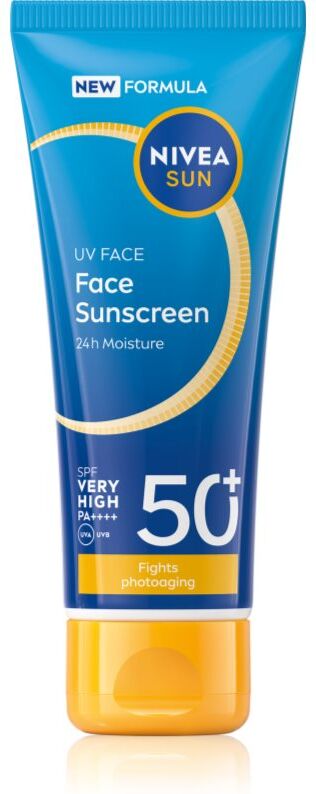
NIVEA SUN UV FACE facial sunscreen SPF 50+ 40 mlNIVEA SUN UV FACE, 40 ml, Protection against Sunlight for Women, Protect your skin against premature ageing and other damage caused by sun exposure. The delicate skin on your face is far more sensitive than the skin on the rest of your body and is exposed to the sun all year round – another reason why it is important not to neglect skin protection. The NIVEA SUN UV FACE is a sunscreen that reliably protects your skin against UV rays and helps you prevent not just sunburn and pigment spots, but also reduced skin elasticity, collagen loss and other signs of skin ageing. Characteristics: protects skin against UVA and UVB radiation protects the skin against premature ageing moisturises intensely is absorbed quickly easy to spread without leaving an oily film7,60 £*Shipping: 3,99 £Secure redirect to the provider
-
milk_shake Sun and More Sunscreen Mist for Hair and Scalp 140mLA sunscreen. Protect hair and scalp with Milk Shake Sun & More Mist —UV defense, hydration, and shine for sun-exposed hair. Sun protection, perfected for hair. Shields hair and scalp from UV damage. Prevents dryness, fading, and sun stress. Hydrates and nourishes for soft, shiny hair. Lightweight mist, easy to apply anytime.20,20 £*Shipping: 5,28 £Secure redirect to the provider
-
NIVEA SUN Silky UV Stick sunscreen stick SPF 50+ 15 gNIVEA SUN Silky UV Stick, 15 g, Protection against Sunlight for Women, Protect your skin against premature ageing and other damage caused by sun exposure. The delicate skin on your face is far more sensitive than the skin on the rest of your body and is exposed to the sun all year round – another reason why it is important not to neglect skin protection. The NIVEA SUN Silky UV Stick is a sunscreen that reliably protects your skin against UV rays and helps you prevent not just sunburn and pigment spots, but also reduced skin elasticity, collagen loss and other signs of skin ageing. Characteristics: protects skin against UVA and UVB radiation protects the skin against premature ageing practical and sanitary application nourishes skin is absorbed quickly How to use: Apply protective products generously and repeatedly.10,71 £*Shipping: 3,99 £Secure redirect to the provider



-
How can one recognize homophony and polyphony in musical notation?
Homophony can be recognized in musical notation when all the voices or instruments are moving in the same rhythm, creating a harmonized texture. In musical notation, this can be seen when the different parts have the same rhythm and are often aligned vertically. On the other hand, polyphony can be recognized in musical notation when there are multiple independent melodies or voices happening simultaneously. In musical notation, this can be seen when the different parts have different rhythms and are often not aligned vertically, indicating their independence from each other. **
-
What do the terms homophony and polyphony mean, and how can they be visually and audibly distinguished?
Homophony refers to a musical texture where all voices or parts move together in harmony, creating a single melody with accompanying chords. In contrast, polyphony involves multiple independent melodies played simultaneously. Visually, homophony can be identified by seeing all parts moving together in a similar rhythm, while polyphony will show different parts moving independently. Audibly, homophony will sound like a single melody with supporting harmonies, while polyphony will have multiple distinct melodies happening at the same time. **
-
What do the terms homophony and polyphony mean and how can they be visually and audibly distinguished?
Homophony refers to a musical texture where all voices or parts move together in harmony, creating a single melody with accompanying chords. In contrast, polyphony involves multiple independent melodies played simultaneously. Visually, homophony can be represented as a single line of music with chord symbols above, while polyphony would have multiple distinct lines of music. Audibly, homophony sounds more unified and chordal, while polyphony sounds more complex and contrapuntal with different melodies weaving in and out. **
-
What are the prices for a tropical island resort?
The prices for a tropical island resort can vary widely depending on the location, amenities, and time of year. Generally, a luxury tropical island resort can range from $300 to $1000 per night for a standard room, while overwater bungalows or private villas can cost upwards of $1000 per night. All-inclusive packages may also be available, which can include meals, drinks, and activities, and can range from $500 to $2000 per night. It's important to research and compare different resorts to find the best option for your budget and preferences. **

Are 90s fashion, sunglasses, and swimwear back in style?
Yes, 90s fashion, sunglasses, and swimwear have made a comeback in recent years. Many fashion trends from the 90s, such as high-waisted jeans, crop tops, and slip dresses, have become popular again. Additionally, 90s-inspired sunglasses, such as small oval frames and colored lenses, have become trendy once more. As for swimwear, high-cut one-piece swimsuits and retro bikini styles reminiscent of the 90s have also become popular choices. Overall, 90s fashion, sunglasses, and swimwear have definitely made a comeback in the fashion world. **
Should one apply sunscreen in the sun?
Yes, it is highly recommended to apply sunscreen when exposed to the sun. Sunscreen helps protect the skin from harmful UV rays that can cause sunburn, premature aging, and skin cancer. It is important to apply sunscreen even on cloudy days as UV rays can still penetrate through the clouds. Reapplying sunscreen every two hours, especially after swimming or sweating, is also crucial for continued protection. **
Top-Angebote
Products related to Homophony:
-
Perfect Picks Market Sun Stick Sunscreen Lightweight UV Protection For Face And Body Sun Stick Sunscreen Lightweight UV Protection For Face And BodySun protection should feel effortless, not heavy or greasy. This sleek sun stick sunscreen glides on smoothly, delivering powerful SPF50 defense without disrupting your look. Designed for busy lifestyles, it offers a breathable, matte finish that...39,97 $*Shipping: 0,00 $Secure redirect to the provider
-
G9 Skin White in Milk Sun Plus Sunscreen 40mL SPF50+A sunscreen for wrinkles and signs of ageing. White in Milk Sun Plus SPF50+/ PA++++, effectively safeguarding the skin against the harmful effects of UVA and UVB rays, all while ensuring there's no white residue left behind. This daily, broad-spectrum sunscreen easily absorbs into the skin, offering SPF50+ and comprehensive protection against both UVA and UVB rays.12,24 £*Shipping: 5,28 £Secure redirect to the provider
-
NIVEA SUN UV FACE facial sunscreen SPF 50+ 40 mlNIVEA SUN UV FACE, 40 ml, Protection against Sunlight for Women, Protect your skin against premature ageing and other damage caused by sun exposure. The delicate skin on your face is far more sensitive than the skin on the rest of your body and is exposed to the sun all year round – another reason why it is important not to neglect skin protection. The NIVEA SUN UV FACE is a sunscreen that reliably protects your skin against UV rays and helps you prevent not just sunburn and pigment spots, but also reduced skin elasticity, collagen loss and other signs of skin ageing. Characteristics: protects skin against UVA and UVB radiation protects the skin against premature ageing moisturises intensely is absorbed quickly easy to spread without leaving an oily film7,60 £*Shipping: 3,99 £Secure redirect to the provider
-
What is the difference between polyphony and homophony?
Polyphony is a musical texture where two or more independent melodic lines are played simultaneously. Each line has its own rhythm and melody, creating a complex and layered sound. Homophony, on the other hand, is a musical texture where all voices or instruments move together in harmony, supporting a single melody. In homophony, there is a clear distinction between the melody and the accompanying parts, creating a more unified and harmonious sound. **
-
What is the difference between homophony and polyphony?
Homophony is a musical texture in which a single melody is supported by a harmonic accompaniment, creating a clear distinction between the main melody and the supporting harmonies. Polyphony, on the other hand, is a musical texture in which two or more independent melodies are played or sung simultaneously, creating a more complex and layered sound. In homophony, all voices or instruments move together rhythmically, while in polyphony, each voice or instrument has its own rhythm and melodic independence. Overall, homophony emphasizes harmony and a clear main melody, while polyphony emphasizes the interplay of multiple independent melodies. **
-
How can one recognize homophony and polyphony in musical notation?
Homophony can be recognized in musical notation when all the voices or instruments are moving in the same rhythm, creating a harmonized texture. In musical notation, this can be seen when the different parts have the same rhythm and are often aligned vertically. On the other hand, polyphony can be recognized in musical notation when there are multiple independent melodies or voices happening simultaneously. In musical notation, this can be seen when the different parts have different rhythms and are often not aligned vertically, indicating their independence from each other. **
-
What do the terms homophony and polyphony mean, and how can they be visually and audibly distinguished?
Homophony refers to a musical texture where all voices or parts move together in harmony, creating a single melody with accompanying chords. In contrast, polyphony involves multiple independent melodies played simultaneously. Visually, homophony can be identified by seeing all parts moving together in a similar rhythm, while polyphony will show different parts moving independently. Audibly, homophony will sound like a single melody with supporting harmonies, while polyphony will have multiple distinct melodies happening at the same time. **
Similar search terms for Homophony
-
milk_shake Sun and More Sunscreen Mist for Hair and Scalp 140mLA sunscreen. Protect hair and scalp with Milk Shake Sun & More Mist —UV defense, hydration, and shine for sun-exposed hair. Sun protection, perfected for hair. Shields hair and scalp from UV damage. Prevents dryness, fading, and sun stress. Hydrates and nourishes for soft, shiny hair. Lightweight mist, easy to apply anytime.20,20 £*Shipping: 5,28 £Secure redirect to the provider
-
NIVEA SUN Silky UV Stick sunscreen stick SPF 50+ 15 gNIVEA SUN Silky UV Stick, 15 g, Protection against Sunlight for Women, Protect your skin against premature ageing and other damage caused by sun exposure. The delicate skin on your face is far more sensitive than the skin on the rest of your body and is exposed to the sun all year round – another reason why it is important not to neglect skin protection. The NIVEA SUN Silky UV Stick is a sunscreen that reliably protects your skin against UV rays and helps you prevent not just sunburn and pigment spots, but also reduced skin elasticity, collagen loss and other signs of skin ageing. Characteristics: protects skin against UVA and UVB radiation protects the skin against premature ageing practical and sanitary application nourishes skin is absorbed quickly How to use: Apply protective products generously and repeatedly.10,71 £*Shipping: 3,99 £Secure redirect to the provider
-
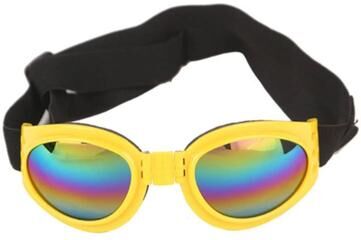
Uplift Picks Foldable Pet Sunglasses Outdoor Sun Protection Glasses For Dogs And Cats whiteGive your furry companion a stylish and functional outdoor accessory with these Pet Sunglasses designed for comfort and sun protection. Featuring a foldable lightweight design, these pet glasses help shield your dog or cats eyes from sunlight, wind,...47,99 $*Shipping: 0,00 $Secure redirect to the provider
-
Uplift Picks Foldable Pet Sunglasses Outdoor Sun Protection Glasses For Dogs And Cats yellowGive your furry companion a stylish and functional outdoor accessory with these Pet Sunglasses designed for comfort and sun protection. Featuring a foldable lightweight design, these pet glasses help shield your dog or cats eyes from sunlight, wind,...47,99 $*Shipping: 0,00 $Secure redirect to the provider
-
What do the terms homophony and polyphony mean and how can they be visually and audibly distinguished?
Homophony refers to a musical texture where all voices or parts move together in harmony, creating a single melody with accompanying chords. In contrast, polyphony involves multiple independent melodies played simultaneously. Visually, homophony can be represented as a single line of music with chord symbols above, while polyphony would have multiple distinct lines of music. Audibly, homophony sounds more unified and chordal, while polyphony sounds more complex and contrapuntal with different melodies weaving in and out. **
-
What are the prices for a tropical island resort?
The prices for a tropical island resort can vary widely depending on the location, amenities, and time of year. Generally, a luxury tropical island resort can range from $300 to $1000 per night for a standard room, while overwater bungalows or private villas can cost upwards of $1000 per night. All-inclusive packages may also be available, which can include meals, drinks, and activities, and can range from $500 to $2000 per night. It's important to research and compare different resorts to find the best option for your budget and preferences. **
-
Are 90s fashion, sunglasses, and swimwear back in style?
Yes, 90s fashion, sunglasses, and swimwear have made a comeback in recent years. Many fashion trends from the 90s, such as high-waisted jeans, crop tops, and slip dresses, have become popular again. Additionally, 90s-inspired sunglasses, such as small oval frames and colored lenses, have become trendy once more. As for swimwear, high-cut one-piece swimsuits and retro bikini styles reminiscent of the 90s have also become popular choices. Overall, 90s fashion, sunglasses, and swimwear have definitely made a comeback in the fashion world. **
-
Should one apply sunscreen in the sun?
Yes, it is highly recommended to apply sunscreen when exposed to the sun. Sunscreen helps protect the skin from harmful UV rays that can cause sunburn, premature aging, and skin cancer. It is important to apply sunscreen even on cloudy days as UV rays can still penetrate through the clouds. Reapplying sunscreen every two hours, especially after swimming or sweating, is also crucial for continued protection. **
* All prices are inclusive of VAT and, if applicable, plus shipping costs. The offer information is based on the details provided by the respective shop and is updated through automated processes. Real-time updates do not occur, so deviations can occur in individual cases. ** Note: Parts of this content were created by AI.