Buy sun-studio.eu ?
We are moving the project
sun-studio.eu .
Are you interested in purchasing the domain
sun-studio.eu ?
domain@kv-gmbh.de · 0541-91531010
Buy sun-studio.eu ?
What are shade and light plants?
Shade plants are those that thrive in low light conditions and are able to tolerate limited exposure to direct sunlight. These plants typically have larger, thinner leaves that allow them to efficiently capture and utilize the available light. On the other hand, light plants are those that require direct sunlight for a significant portion of the day in order to thrive. These plants often have smaller, thicker leaves that help them to conserve water and withstand the intense sunlight. Understanding the light requirements of different plants is important for creating a successful and balanced garden or indoor plant collection. **
Why do shade leaves require less light than sun leaves to reach the light compensation point?
Shade leaves require less light than sun leaves to reach the light compensation point because they have adapted to low light conditions by increasing their efficiency in capturing and utilizing available light. Shade leaves have larger and thinner leaves with a higher chlorophyll content, allowing them to maximize light absorption in low light environments. Additionally, shade leaves have a higher photosynthetic capacity per unit of leaf area compared to sun leaves, enabling them to photosynthesize effectively with less light. These adaptations help shade leaves to reach the light compensation point with lower light levels than sun leaves. **

Similar search terms for CHICOLOGY-Temporary-Shade-Light
Top-Angebote
Products related to CHICOLOGY-Temporary-Shade-Light:
-
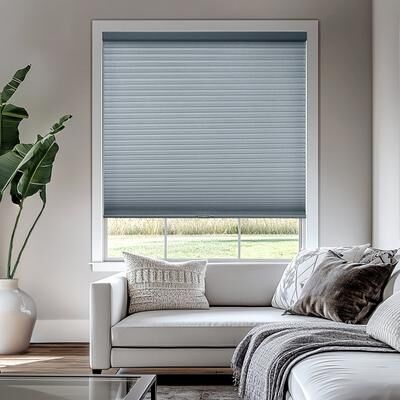
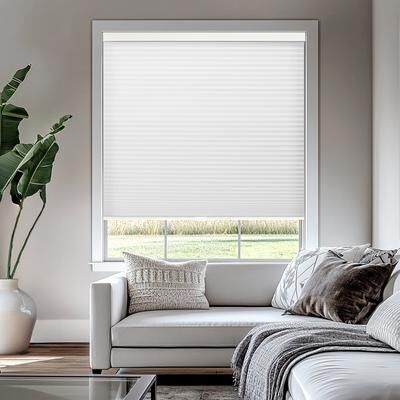
Chicology Cordless Light Filtering Roman Shade Privacy & StyleElevate your space with the Chicology Cordless Light Filtering Roman Shade, a perfect blend of style, privacy, and functionality. Designed for modern homes, this shade features a cordless lift system for a sleek, child- and pet-safe operation.103,99 $*Shipping: 0,00 $Secure redirect to the provider

-
How does photosynthesis work in light and shade?
Photosynthesis is the process by which plants use sunlight to convert carbon dioxide and water into glucose and oxygen. In light, photosynthesis occurs at a higher rate as the chlorophyll in the plant's cells absorbs the sunlight to drive the chemical reactions. In shade, the rate of photosynthesis decreases as there is less sunlight available for the plants to use. However, plants have adaptations to optimize photosynthesis in shade, such as increasing the efficiency of light absorption and utilizing alternative pathways for energy production. Overall, photosynthesis in light and shade is influenced by the availability of sunlight and the plant's ability to adapt to varying light conditions. **
-
Does a light shade work on dark hair?
Yes, a light shade can work on dark hair, but it may require bleaching or lightening the hair first to achieve the desired result. The light shade may not show up as vibrantly on dark hair without lightening it first. It's important to consult with a professional hairstylist to determine the best approach for achieving the desired light shade on dark hair. **
-
Shade or sun - wet horses?
Wet horses should be provided with shade rather than direct sun. Direct sunlight can cause the water on the horse's coat to heat up and potentially lead to overheating. Providing shade allows the horse to dry off more gradually and helps prevent overheating. Additionally, shade can also provide relief from insects and flies, which are often attracted to wet horses. **
-
What are the light compensation points in shade plants and light plants?
Shade plants have lower light compensation points compared to light plants. This means that shade plants can photosynthesize and survive in lower light conditions than light plants. Light plants, on the other hand, have higher light compensation points and require more light to carry out photosynthesis effectively. This difference in light compensation points allows shade plants to thrive in low light environments, while light plants are better suited for brighter conditions. **

How does photosynthesis occur in light and in shade?
Photosynthesis occurs in both light and shade, but the rate and efficiency of the process differ. In light, photosynthesis is more efficient as plants can absorb sunlight to convert carbon dioxide and water into glucose and oxygen. In shade, photosynthesis still occurs but at a slower rate due to the reduced availability of sunlight. Plants in shade may adapt by increasing their chlorophyll content or adjusting their leaf orientation to capture more light. **
How does photosynthesis occur in light and in the shade?
Photosynthesis is the process by which plants convert light energy into chemical energy to produce glucose. In light, photosynthesis occurs at a higher rate as the chlorophyll in plant cells can absorb sunlight to drive the reaction. In the shade, photosynthesis still occurs but at a slower rate due to the reduced amount of sunlight available for absorption. Plants in the shade may adapt by increasing the efficiency of their light-harvesting mechanisms to make the most of the limited light available for photosynthesis. **
Top-Angebote
Products related to CHICOLOGY-Temporary-Shade-Light:
-
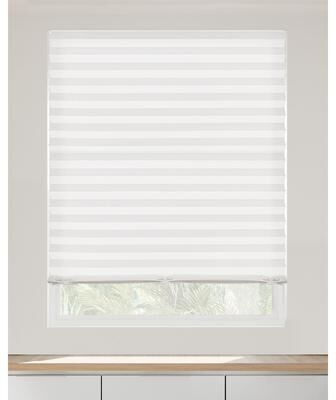
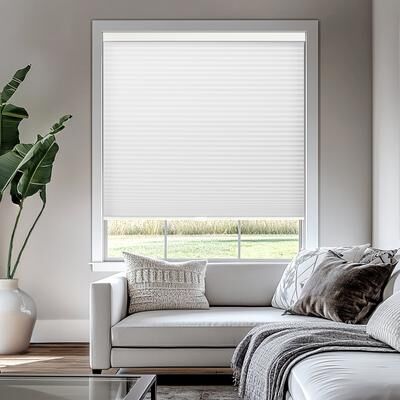
CHICOLOGY Temporary Shade, Light Filtering Pleated Window Treatment Perfect for Instant Privacy, Instant WhiteCHICOLOGY Temporary Shades, Light Filtering TEMPORARY SOLUTION FOR HOME PROJECTS: Home improvement projects may take longer than expected, which is why our temporary shades are an affordable window treatment solution for desired privacy.31,49 $*Shipping: 0,00 $Secure redirect to the provider
-
Chicology Cordless Light Filtering Roman Shade Privacy & StyleElevate your space with the Chicology Cordless Light Filtering Roman Shade, a perfect blend of style, privacy, and functionality. Designed for modern homes, this shade features a cordless lift system for a sleek, child- and pet-safe operation.103,99 $*Shipping: 0,00 $Secure redirect to the provider
-
What are shade and light plants?
Shade plants are those that thrive in low light conditions and are able to tolerate limited exposure to direct sunlight. These plants typically have larger, thinner leaves that allow them to efficiently capture and utilize the available light. On the other hand, light plants are those that require direct sunlight for a significant portion of the day in order to thrive. These plants often have smaller, thicker leaves that help them to conserve water and withstand the intense sunlight. Understanding the light requirements of different plants is important for creating a successful and balanced garden or indoor plant collection. **
-
Why do shade leaves require less light than sun leaves to reach the light compensation point?
Shade leaves require less light than sun leaves to reach the light compensation point because they have adapted to low light conditions by increasing their efficiency in capturing and utilizing available light. Shade leaves have larger and thinner leaves with a higher chlorophyll content, allowing them to maximize light absorption in low light environments. Additionally, shade leaves have a higher photosynthetic capacity per unit of leaf area compared to sun leaves, enabling them to photosynthesize effectively with less light. These adaptations help shade leaves to reach the light compensation point with lower light levels than sun leaves. **
-
How does photosynthesis work in light and shade?
Photosynthesis is the process by which plants use sunlight to convert carbon dioxide and water into glucose and oxygen. In light, photosynthesis occurs at a higher rate as the chlorophyll in the plant's cells absorbs the sunlight to drive the chemical reactions. In shade, the rate of photosynthesis decreases as there is less sunlight available for the plants to use. However, plants have adaptations to optimize photosynthesis in shade, such as increasing the efficiency of light absorption and utilizing alternative pathways for energy production. Overall, photosynthesis in light and shade is influenced by the availability of sunlight and the plant's ability to adapt to varying light conditions. **
-
Does a light shade work on dark hair?
Yes, a light shade can work on dark hair, but it may require bleaching or lightening the hair first to achieve the desired result. The light shade may not show up as vibrantly on dark hair without lightening it first. It's important to consult with a professional hairstylist to determine the best approach for achieving the desired light shade on dark hair. **
Similar search terms for CHICOLOGY-Temporary-Shade-Light
-
Shade or sun - wet horses?
Wet horses should be provided with shade rather than direct sun. Direct sunlight can cause the water on the horse's coat to heat up and potentially lead to overheating. Providing shade allows the horse to dry off more gradually and helps prevent overheating. Additionally, shade can also provide relief from insects and flies, which are often attracted to wet horses. **
-
What are the light compensation points in shade plants and light plants?
Shade plants have lower light compensation points compared to light plants. This means that shade plants can photosynthesize and survive in lower light conditions than light plants. Light plants, on the other hand, have higher light compensation points and require more light to carry out photosynthesis effectively. This difference in light compensation points allows shade plants to thrive in low light environments, while light plants are better suited for brighter conditions. **
-
How does photosynthesis occur in light and in shade?
Photosynthesis occurs in both light and shade, but the rate and efficiency of the process differ. In light, photosynthesis is more efficient as plants can absorb sunlight to convert carbon dioxide and water into glucose and oxygen. In shade, photosynthesis still occurs but at a slower rate due to the reduced availability of sunlight. Plants in shade may adapt by increasing their chlorophyll content or adjusting their leaf orientation to capture more light. **
-
How does photosynthesis occur in light and in the shade?
Photosynthesis is the process by which plants convert light energy into chemical energy to produce glucose. In light, photosynthesis occurs at a higher rate as the chlorophyll in plant cells can absorb sunlight to drive the reaction. In the shade, photosynthesis still occurs but at a slower rate due to the reduced amount of sunlight available for absorption. Plants in the shade may adapt by increasing the efficiency of their light-harvesting mechanisms to make the most of the limited light available for photosynthesis. **
* All prices are inclusive of VAT and, if applicable, plus shipping costs. The offer information is based on the details provided by the respective shop and is updated through automated processes. Real-time updates do not occur, so deviations can occur in individual cases. ** Note: Parts of this content were created by AI.