Buy sun-studio.eu ?
We are moving the project
sun-studio.eu .
Are you interested in purchasing the domain
sun-studio.eu ?
domain@kv-gmbh.de · 0541-91531010
Buy sun-studio.eu ?
What are Byzantine relations?
Byzantine relations refer to the diplomatic, political, and cultural interactions between the Byzantine Empire and other states or entities. These relations were crucial for the Byzantine Empire's survival and influence, as they involved alliances, treaties, trade agreements, and military cooperation with neighboring powers such as the Roman Empire, Persia, Arab Caliphates, and various European kingdoms. Byzantine relations also involved religious and cultural exchanges, as the Byzantine Empire played a significant role in spreading Christianity and preserving classical knowledge. These relations were often complex and constantly evolving, shaping the empire's foreign policy and its place in the wider world. **
Does anyone know of a Byzantine goat?
There is no specific mention of a "Byzantine goat" in historical records or literature. However, goats were commonly raised and used for their milk, meat, and wool in the Byzantine Empire. They were an important part of the agricultural economy and daily life of the Byzantine people. While there may not be a specific goat known as the "Byzantine goat," goats were certainly a familiar sight in Byzantine society. **


Similar search terms for Byzantine
Top-Angebote
Products related to Byzantine:
-
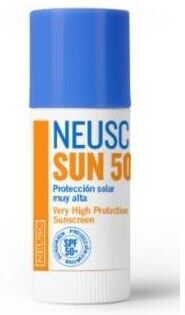
Neusc Sun Stick Sunscreen 24 gr SPF 50+Health and Beauty Creams Neusc Sun Stick Sunscreen 24 gr SPF 50+ The Neusc formula, with its combination of UVA/UVB filters, protects the skin from the harmful effects of the sun by adding a physical-chemical filter to the skin's surface. It forms a barrier that protects against dehydration and redness caused by solar radiation. It is especially recommended for dull skin with very high radiation, for fair skin with high or very high radiation, and for very fair skin with medium or high radiation. Directions for use: External use. Gently glide on in a single stroke and spread over the entire area with your fingertips until completely absorbed. Apply 15 minutes before sun exposure and reapply every 2 hours.12,76 £*Shipping: 3,99 £Secure redirect to the provider
-
Perfect Picks Market Sun Stick Sunscreen Lightweight UV Protection For Face And Body Sun Stick Sunscreen Lightweight UV Protection For Face And BodySun protection should feel effortless, not heavy or greasy. This sleek sun stick sunscreen glides on smoothly, delivering powerful SPF50 defense without disrupting your look. Designed for busy lifestyles, it offers a breathable, matte finish that...39,97 $*Shipping: 0,00 $Secure redirect to the provider
-
Velvet Sun Screen Velvet Sunscreen Body Spf 50+ 125 mlHealth and Beauty Creams Velvet Sun Screen Velvet Sunscreen Body Spf 50+ 125 ml - Ideal for phototypes I & II, sensitive skin, and skin with moles or scars. Daily use. - Prevents signs of aging and protects against white spots caused by sun exposure. - Suitable for all skin types and all ages. Due to its larger volume, it is suitable for application to large areas of the body, such as the arms, back, and décolletage. - Very high UVB 50+ UVA VIS // IRA protection.30,88 £*Shipping: 3,99 £Secure redirect to the provider



-
What is meant by the Byzantine bureaucracy?
The Byzantine bureaucracy refers to the administrative system of the Byzantine Empire, which was highly organized and centralized. It was characterized by a complex hierarchy of officials and administrators who were responsible for managing the empire's vast territories, collecting taxes, enforcing laws, and overseeing various aspects of governance. The bureaucracy played a crucial role in maintaining the stability and functioning of the Byzantine state, and it was known for its efficiency and effectiveness in managing the empire's affairs. The Byzantine bureaucracy was also known for its use of intricate protocols and formalities, which contributed to the empire's reputation for elaborate ceremonial and court etiquette. **
-
Was the Byzantine Empire more Roman or Greek?
The Byzantine Empire was a blend of both Roman and Greek influences. While it was founded by the Roman Emperor Constantine and maintained Roman administrative structures, it also adopted many aspects of Greek culture, language, and art. The Byzantine Empire's official language was Greek, and its Christian religion was heavily influenced by Greek Orthodox traditions. Overall, the Byzantine Empire can be seen as a continuation of the Roman Empire with strong Greek cultural influences. **
-
Are there differences between the Roman and Byzantine Empires?
Yes, there are several differences between the Roman and Byzantine Empires. The Roman Empire was known for its vast territorial expansion and emphasis on military conquest, while the Byzantine Empire focused more on maintaining and consolidating its existing territories. The Roman Empire was predominantly pagan before adopting Christianity, while the Byzantine Empire was a stronghold of Christianity. Additionally, the Byzantine Empire had a more centralized and bureaucratic government compared to the Roman Empire's more decentralized system. **
-
Could the Byzantine Empire have restored the Roman Empire?
The Byzantine Empire, also known as the Eastern Roman Empire, was a continuation of the Roman Empire in the east. While the Byzantine Empire did manage to preserve many aspects of Roman culture and institutions, it faced numerous challenges that made restoring the Roman Empire in its entirety unlikely. The Western Roman Empire had already collapsed by the time the Byzantine Empire reached its height, and the Byzantines faced constant threats from external invasions, internal strife, and economic difficulties. Additionally, the Byzantine Empire had a different cultural and religious identity than the Western Roman Empire, making a full restoration of the Roman Empire under Byzantine rule improbable. **

What nationality did the Byzantine Emperor Justinian I have?
Byzantine Emperor Justinian I was of Illyrian descent, which is an ancient ethnic group that inhabited the western Balkans. Illyrians were known for their warrior culture and were one of the earliest known groups to inhabit the region. Justinian I was born in Tauresium, Illyria, which is located in modern-day North Macedonia. **
What was the nationality of the Byzantine Emperor Justinian I?
Justinian I was a Byzantine Emperor, and the Byzantine Empire was the continuation of the Eastern Roman Empire. Therefore, Justinian I was of Roman nationality, as the Byzantine Empire considered itself the rightful heir to the Roman Empire. However, it is important to note that during Justinian's time, the concept of nationality was different from how we understand it today, and the people of the Byzantine Empire identified themselves as Romans. **
Top-Angebote
Products related to Byzantine:
-
Style Haven Manchester Byzantine Medallion Fringe Area RugAdorn your home with the traditional elegance of this gorgeous area rug. Featuring an intricate medallion pattern in primary shades of brown and black, the rug enhances any space with classic sophistication.302,22 $*Shipping: 0,00 $Secure redirect to the provider
-
Neusc Sun Stick Sunscreen 24 gr SPF 30Health and Beauty Creams Neusc Sun Stick Sunscreen 24 gr SPF 30 The Neusc formula, with its combination of UVA/UVB filters, protects the skin from the harmful effects of the sun by adding a physical-chemical filter to the skin's surface. It forms a barrier that protects against dehydration and redness caused by solar radiation. It is especially recommended for dull skin with very high radiation, for fair skin with high or very high radiation, and for very fair skin with medium or high radiation. Directions for use: External use. Gently glide on in a single stroke and spread over the entire area with your fingertips until completely absorbed. Apply 15 minutes before sun exposure and reapply every 2 hours.7,33 £*Shipping: 3,99 £Secure redirect to the provider
-
Neusc Sun Stick Sunscreen 24 gr SPF 50+Health and Beauty Creams Neusc Sun Stick Sunscreen 24 gr SPF 50+ The Neusc formula, with its combination of UVA/UVB filters, protects the skin from the harmful effects of the sun by adding a physical-chemical filter to the skin's surface. It forms a barrier that protects against dehydration and redness caused by solar radiation. It is especially recommended for dull skin with very high radiation, for fair skin with high or very high radiation, and for very fair skin with medium or high radiation. Directions for use: External use. Gently glide on in a single stroke and spread over the entire area with your fingertips until completely absorbed. Apply 15 minutes before sun exposure and reapply every 2 hours.12,76 £*Shipping: 3,99 £Secure redirect to the provider
-
What are Byzantine relations?
Byzantine relations refer to the diplomatic, political, and cultural interactions between the Byzantine Empire and other states or entities. These relations were crucial for the Byzantine Empire's survival and influence, as they involved alliances, treaties, trade agreements, and military cooperation with neighboring powers such as the Roman Empire, Persia, Arab Caliphates, and various European kingdoms. Byzantine relations also involved religious and cultural exchanges, as the Byzantine Empire played a significant role in spreading Christianity and preserving classical knowledge. These relations were often complex and constantly evolving, shaping the empire's foreign policy and its place in the wider world. **
-
Does anyone know of a Byzantine goat?
There is no specific mention of a "Byzantine goat" in historical records or literature. However, goats were commonly raised and used for their milk, meat, and wool in the Byzantine Empire. They were an important part of the agricultural economy and daily life of the Byzantine people. While there may not be a specific goat known as the "Byzantine goat," goats were certainly a familiar sight in Byzantine society. **
-
What is meant by the Byzantine bureaucracy?
The Byzantine bureaucracy refers to the administrative system of the Byzantine Empire, which was highly organized and centralized. It was characterized by a complex hierarchy of officials and administrators who were responsible for managing the empire's vast territories, collecting taxes, enforcing laws, and overseeing various aspects of governance. The bureaucracy played a crucial role in maintaining the stability and functioning of the Byzantine state, and it was known for its efficiency and effectiveness in managing the empire's affairs. The Byzantine bureaucracy was also known for its use of intricate protocols and formalities, which contributed to the empire's reputation for elaborate ceremonial and court etiquette. **
-
Was the Byzantine Empire more Roman or Greek?
The Byzantine Empire was a blend of both Roman and Greek influences. While it was founded by the Roman Emperor Constantine and maintained Roman administrative structures, it also adopted many aspects of Greek culture, language, and art. The Byzantine Empire's official language was Greek, and its Christian religion was heavily influenced by Greek Orthodox traditions. Overall, the Byzantine Empire can be seen as a continuation of the Roman Empire with strong Greek cultural influences. **
Similar search terms for Byzantine
-
Perfect Picks Market Sun Stick Sunscreen Lightweight UV Protection For Face And Body Sun Stick Sunscreen Lightweight UV Protection For Face And BodySun protection should feel effortless, not heavy or greasy. This sleek sun stick sunscreen glides on smoothly, delivering powerful SPF50 defense without disrupting your look. Designed for busy lifestyles, it offers a breathable, matte finish that...39,97 $*Shipping: 0,00 $Secure redirect to the provider
-
Velvet Sun Screen Velvet Sunscreen Body Spf 50+ 125 mlHealth and Beauty Creams Velvet Sun Screen Velvet Sunscreen Body Spf 50+ 125 ml - Ideal for phototypes I & II, sensitive skin, and skin with moles or scars. Daily use. - Prevents signs of aging and protects against white spots caused by sun exposure. - Suitable for all skin types and all ages. Due to its larger volume, it is suitable for application to large areas of the body, such as the arms, back, and décolletage. - Very high UVB 50+ UVA VIS // IRA protection.30,88 £*Shipping: 3,99 £Secure redirect to the provider
-
G9 Skin White in Milk Sun Plus Sunscreen 40mL SPF50+A sunscreen for wrinkles and signs of ageing. White in Milk Sun Plus SPF50+/ PA++++, effectively safeguarding the skin against the harmful effects of UVA and UVB rays, all while ensuring there's no white residue left behind. This daily, broad-spectrum sunscreen easily absorbs into the skin, offering SPF50+ and comprehensive protection against both UVA and UVB rays.12,24 £*Shipping: 5,28 £Secure redirect to the provider
-
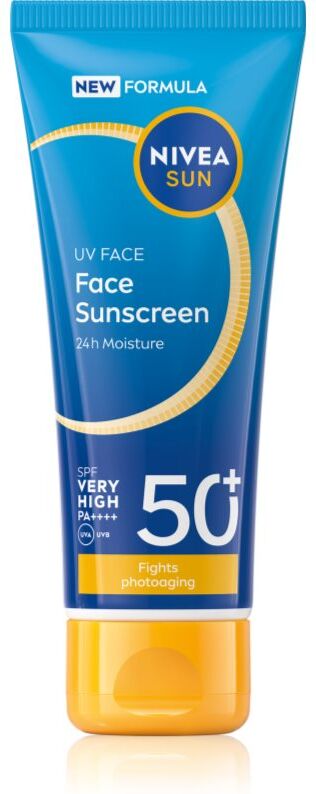
NIVEA SUN UV FACE facial sunscreen SPF 50+ 40 mlNIVEA SUN UV FACE, 40 ml, Protection against Sunlight for Women, Protect your skin against premature ageing and other damage caused by sun exposure. The delicate skin on your face is far more sensitive than the skin on the rest of your body and is exposed to the sun all year round – another reason why it is important not to neglect skin protection. The NIVEA SUN UV FACE is a sunscreen that reliably protects your skin against UV rays and helps you prevent not just sunburn and pigment spots, but also reduced skin elasticity, collagen loss and other signs of skin ageing. Characteristics: protects skin against UVA and UVB radiation protects the skin against premature ageing moisturises intensely is absorbed quickly easy to spread without leaving an oily film7,30 £*Shipping: 3,99 £Secure redirect to the provider
-
Are there differences between the Roman and Byzantine Empires?
Yes, there are several differences between the Roman and Byzantine Empires. The Roman Empire was known for its vast territorial expansion and emphasis on military conquest, while the Byzantine Empire focused more on maintaining and consolidating its existing territories. The Roman Empire was predominantly pagan before adopting Christianity, while the Byzantine Empire was a stronghold of Christianity. Additionally, the Byzantine Empire had a more centralized and bureaucratic government compared to the Roman Empire's more decentralized system. **
-
Could the Byzantine Empire have restored the Roman Empire?
The Byzantine Empire, also known as the Eastern Roman Empire, was a continuation of the Roman Empire in the east. While the Byzantine Empire did manage to preserve many aspects of Roman culture and institutions, it faced numerous challenges that made restoring the Roman Empire in its entirety unlikely. The Western Roman Empire had already collapsed by the time the Byzantine Empire reached its height, and the Byzantines faced constant threats from external invasions, internal strife, and economic difficulties. Additionally, the Byzantine Empire had a different cultural and religious identity than the Western Roman Empire, making a full restoration of the Roman Empire under Byzantine rule improbable. **
-
What nationality did the Byzantine Emperor Justinian I have?
Byzantine Emperor Justinian I was of Illyrian descent, which is an ancient ethnic group that inhabited the western Balkans. Illyrians were known for their warrior culture and were one of the earliest known groups to inhabit the region. Justinian I was born in Tauresium, Illyria, which is located in modern-day North Macedonia. **
-
What was the nationality of the Byzantine Emperor Justinian I?
Justinian I was a Byzantine Emperor, and the Byzantine Empire was the continuation of the Eastern Roman Empire. Therefore, Justinian I was of Roman nationality, as the Byzantine Empire considered itself the rightful heir to the Roman Empire. However, it is important to note that during Justinian's time, the concept of nationality was different from how we understand it today, and the people of the Byzantine Empire identified themselves as Romans. **
* All prices are inclusive of VAT and, if applicable, plus shipping costs. The offer information is based on the details provided by the respective shop and is updated through automated processes. Real-time updates do not occur, so deviations can occur in individual cases. ** Note: Parts of this content were created by AI.