Buy sun-studio.eu ?
We are moving the project
sun-studio.eu .
Are you interested in purchasing the domain
sun-studio.eu ?
domain@kv-gmbh.de · 0541-91531010
Buy sun-studio.eu ?
White or rosé tuna?
White tuna is typically the preferred choice for sushi and sashimi due to its mild flavor and firm texture. Rosé tuna, also known as bluefin tuna, is prized for its rich, fatty flesh and is often used in dishes like sashimi and sushi. Both types of tuna have their own unique qualities, so the choice ultimately depends on personal preference and the specific dish being prepared. **
Can champagne expire?
Champagne does not necessarily expire in the same way that food or other perishable items do. However, it can lose its flavor and quality over time if not stored properly. Champagne should be stored in a cool, dark place and kept away from temperature fluctuations and light exposure. If stored correctly, champagne can last for several years and even improve in flavor with age. **
Similar search terms for Boulard-Francis-Champagne-Rosé
Top-Angebote
Products related to Boulard-Francis-Champagne-Rosé:
-
Champagne Rosé Brut 'Le Rosé' LansonLanson's Champagne Rosé Brut "Le Rosé" is produced by a winery with centuries-old origins, which has always been committed to the production of quality Champagne recognised throughout the world. Its working philosophy is aimed at creating a product that can become an ambassador of the potential of its land in the world, and so it has been, being drunk in some 80 countries around the world. It was, moreover, appointed official champagne of the British royal family as early as 1900 by Queen Victoria. Peculiar is the symbol that appears on each label, reminiscent of the 'Maltese Cross', a long-standing symbol of kindness and hospitality. The grapes that make up Lanson's Champagne Rosé Brut "Le Rosé" come from around 100 different crus between Grand and Premier Crus, which gives the final product a rare elegance. Temperatures in summer are high and sultry, while in winter the climate is cold with rare frosts. The grapes are harvested strictly by hand to select the best bunches. In the cellar, alcoholic fermentation occurs in steel with a mixture of red, white and rosé wines and a second refermentation in the bottle according to the Chapenoise method. It matures 48 months on the lees. At the sight of Lanson's Champagne Rosé Brut "Le Rosé" appears a wonderful salmon pink with a fine perlage and good persistence. On the nose there are raspberry, pomegranate and citrus notes with a delicate scent of roses on the finish; on the palate there is a good mineral in combination with fruit flavours such as strawberries, redcurrants and citrus. It goes well with smoked fish dishes such as salmon in a sesame and fennel crust, sweet and sour tuna and spoon desserts with strawberries and custard. Excellent to sip for summer evenings by the sea with lifelong friends or for romantic candlelit dinners, enjoying a refined and unique product.62,00 £*Shipping: 48,00 £Secure redirect to the provider
-
Champagne Rosé Brut RuinartRuinart's Brut Rosé has been able to carve out an important place for itself in the world of Champagne by virtue of its unmistakable style that is distinguished by creaminess and richness. Defined by the Maison itself as the gourmand expression of Ruinart's taste, the expert balancing of the winery's cuvees has resulted in a product of extreme elegance and conviviality. The history of the Maison Ruinart actually coincides with that of Champagne, being, in fact, the oldest maison de Champagne, founded as early as 1729 by Dom Ruinart, a Benedictine monk and forerunner of the times. From this time on, the winery embarked on a steady growth in quality and production, also supported by the presence of particularly talented Chefs De Maison in each generation. Ruinart's Rosé Brut comes from a blend of 55 percent Pinot Noir and 45 percent Chardonnay from vines mostly classified as Premier Cru. After manual harvesting so that only the best bunches are selected, fermentation takes place in steel tanks and is followed by malolactic fermentation. The dosage of 9 g/l is functional to give the wine softness and persuasiveness. Ruinart Brut Rosé Champagne captivates as soon as it is poured into the glass by virtue of its antique pink colour and fine, persistent perlage. The nose is a veritable basket of fruit, ranging from the more exotic such as lychee and passion fruit, to other red and tart ones, like raspberry and wild strawberry. It is a picture of crisp complexity, which is also found on the palate, materializing, however, in a gourmand roundness enlivened by a good supply of freshness and savoriness. One of the best interpretations of Champagne Rosé, suitable for all occasions, from a charcuterie-based aperitif to salmon-based fish preparations or for an elegant end-of-meal fare. Undoubtedly a must in its category.74,00 £*Shipping: 48,00 £Secure redirect to the provider
-
Champagne Rosé Brut 'Comtes de Champagne' Taittinger 2007Il Rosé Brut “Comtes de Champagne” della cantina Taittinger è uno Champagne di grande classe e spessore ottenuto da un blend di uve che vedono la complessità della varietà Pinot Noir, presente in maniera prevalente, unirsi alla raffinatezza dello Chardonnay per creare in ogni annata un millesimato eccezionale. Le vigne che partecipano all’assemblaggio sono tutte classificate Grand Cru e si trovano nei comuni di Ambonnay, Mailly e Bouzy, nel distretto delle Montagne de Reims per quanto riguarda la varietà Pinot Noir, mentre lo Chardonnay proviene dai comuni di Avize, Chouilly e Le Mesnil Sur Oger facenti parte del distretto della Cote des Blancs. La cantina è una storica maison, con sede a Reims, fondata nel 1932 da Pierre Taittinger che, dopo aver servito nell’esercito durante la prima guerra mondiale come primo ufficiale di cavalleria, decise di acquistare i terreni dell’attuale tenuta. Il “Comtes de Champagne” Rosé Brut di Taittinger è uno Champagne millesimato, le cui uve, vengono raccolte manualmente e attentamente selezionate verso il mese di settembre. I grappoli vengono poi pressati direttamente, utilizzando una pressa verticale, per quanto riguarda lo Chardonnay mentre il Pinot Noir rimane a contatto con le bucce per alcune ore dopo la pigiatura per rilasciare il colore desiderato. Segue la fermentazione alcolica in contenitori di acciaio inox a temperatura controllata, dopodiché si effettua il blend tra le due varietà e si procede all’aggiunta del liqueur de tirage per la presa di spuma e rifermentazione in bottiglia del vino sui propri lieviti un periodo di minimo 60 mesi. Al termine del periodo di affinamento si conclude con la sboccatura e conseguente aggiunta del liqueur d’expedition per raggiungere il dosaggio desiderato, come da categoria brut. Il Rosé “Comtes de Champagne” Brut si presenta alla vista di un bel colore rosato brillante con un perlage fine e molto persistente. Al naso compaiono intensi aromi di frutta matura e piccoli frutti a bacca rossa, tra cui il lampone, la ciliegia, il ribes e la pesca bianca, note floreali di fiori bianchi essicati, sentori speziati di spezie orientali, frutta candita e frutta secca per poi finire con leggeri accenni minerali. In bocca è ricco, cremoso, concentrato e di buon corpo, connotato da una grandissima mineralità e da un finale persistente giocato su aromi fruttati e speziati. Questo Rosé della cantina Taittinger è uno Champagne profondo e complesso ma dotato di una grazia e una raffinatezza fenomenali e per questo adatto alle grandi occasioni.332,00 £*Shipping: 48,00 £Secure redirect to the provider
-
Champagne Rosé Brut Veuve ClicquotVeuve Clicquot's Brut Rosé is one of those bottles that has made history in the world of Champagne. It was first produced in 1818 by adding some red wines from the Bouzy cru, and it was the first rosé blend to be introduced to the market. Today, it is still produced from the cuvée of the classic Yellow Label, complemented by 12% of a selection of red wines from different crus in the region. The predominant use of Pinot Noir grapes and the high percentage of reserve wines in the cuvée preparation give this Champagne a traditional and structured profile, ensuring consistent quality over time. This Brut Rosé Champagne presents itself as a rosy and technically impeccable expression of Maison's style: delicacy, elegance, freshness, and structure are its main characteristics. The sugar dosage of 10 g/l contributes to its great pleasantness and enhances the fruity and spicy aromas that distinguish it, making it suitable not only for accompanying aperitifs and fish-based dishes but also for pairing with delicate desserts made from fresh fruit. Veuve Clicquot's Rosé Champagne touches and caresses the most romantic and voluptuous sensibilities while demonstrating nerve, character, and structure. It enchants the nose with typical scents of strawberries, wild berries, and red citrus fruits arranged on a taut and mineral backdrop. The palate is soft, juicy, and fruity, with fine and delicate bubbles, and it finishes with charming and persuasive tones that immediately call for another sip.48,00 £*Shipping: 48,00 £Secure redirect to the provider


-
What is the shelf life of rosé wine?
The shelf life of rosé wine can vary depending on the specific wine and how it is stored. In general, most rosé wines are best consumed within 1-3 years of their vintage date. However, some higher quality rosé wines can age well for up to 5 years or more if stored in a cool, dark place. It's important to note that once a bottle of rosé wine is opened, it should be consumed within a few days to a week to maintain its freshness and flavor. **
-
Is Pope Francis the Antichrist?
No, Pope Francis is not the Antichrist. The concept of the Antichrist is a figure in Christian eschatology, and there is no evidence to suggest that Pope Francis fits the description of the Antichrist. Pope Francis is the leader of the Catholic Church and is widely respected for his efforts to promote peace, social justice, and environmental stewardship. It is important to approach such topics with discernment and respect for different religious beliefs. **
-
Who still understands Pope Francis?
Pope Francis is understood by a wide range of people, including Catholics, other Christians, and individuals of various faiths or no faith at all. His messages of compassion, social justice, and care for the environment resonate with many people around the world. Additionally, his efforts to address issues such as poverty, inequality, and the refugee crisis have garnered support from diverse communities. While there may be disagreements or misunderstandings about certain aspects of his teachings, Pope Francis continues to have a significant impact and is understood by a broad audience. **
-
Can champagne go bad?
Yes, champagne can go bad if it is not stored properly. Exposure to light, heat, or fluctuations in temperature can cause champagne to spoil. Additionally, if the cork is not sealed tightly or if the bottle is stored upright, the champagne can oxidize and lose its flavor. It is best to store champagne in a cool, dark place on its side to keep it fresh for longer. **

Will Pope Francis also eventually die?
Yes, Pope Francis, like all humans, will eventually die. As the leader of the Catholic Church, he is not exempt from the natural process of life and death. While his role as Pope is significant, it does not grant him immortality. Like his predecessors, Pope Francis will one day pass away, and a new Pope will be elected to take his place. **
Does Pope Francis plan to resign?
There is no official announcement or indication from Pope Francis himself that he plans to resign. In fact, Pope Francis has previously stated that he believes that the idea of a pope emeritus, as his predecessor Pope Benedict XVI became after his resignation, should be an exception rather than a rule. Therefore, at this time, there is no evidence to suggest that Pope Francis plans to resign. **
Top-Angebote
Products related to Boulard-Francis-Champagne-Rosé:
-
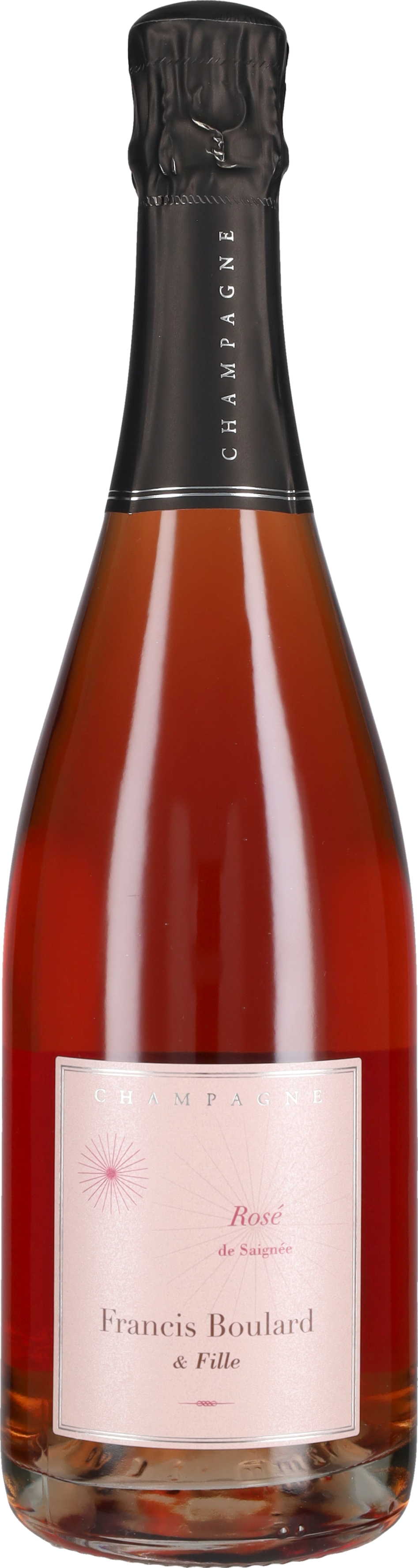
Boulard Francis Champagne Rosé de Saignée Francis Boulard 2018Rosé de Saignée is the typical vinification method of Francis Boulard to obtain a rosé Champagne, here in the pure Meunier version. The family management of the winery is based on a winemaking experience developed over six generations of vignerons: the attention to the environment and the care given to the grapes and the processes in the cellar allow Francis and his daughter Delphine to propose annually labels that meet the highest expectations, respecting a strict non-interventionist protocol in the vineyard as well as in the cellar. The domaine Francis Boulard grows Meunier grapes for the production of Rosé de Saignée in the area of the village of Cuchery, in that eastern part of the Vallée de la Marne that borders the Montagne de Reims area. The soil here is essentially characterized by a limestone base with clay deposits, and the management of the vineyard is certified organic, in addition to the use of biodynamic practices and soil work with the help of horses. After the harvest, which is carried out strictly by hand, the bunches are left to macerate in the must for a period of about 10 or 12 hours, in order to extract the maximum possible aromas: at this point it is possible to proceed with pressing and the operation of saignée, a racking from the bottom of the steel tank. The fermentation of the must is spontaneous, with the intervention of only indigenous yeasts, and takes place in small used oak barrels. The malolactic fermentation is triggered and occurs completely autonomously. The base wine is bottled for the sparkling process without undergoing clarification or other invasive interventions and rests on the lees for 30 months. The Champagne shows a natural final sugar residue of 3 grams per liter, with no dosage.The visual impact of Francis Boulard's Rosé de Saignée is fascinating: a dress of orange-pink color with coppery reflections, bright and deep, streaked with a very fine effervescence. The aromas reconnect to the chromatic intensity, appearing lively and articulated: the crunchy notes of pink berries perfectly blend with the sensations74,00 £*Shipping: 48,00 £Secure redirect to the provider
-
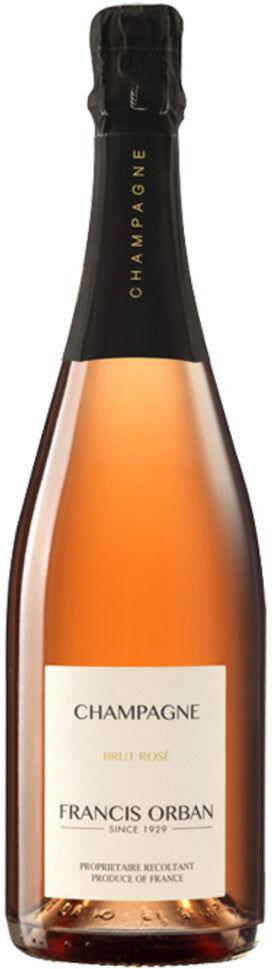
Orban Francis Champagne Rosé Brut Francis OrbanIl Rosé Brut della cantina Francis Orban è uno Champagne setoso, avvolgente e dotato di grande fascino prodotto nel paesino di Leuvrigny, sulla riva destra del fiume Marna, nella regione francese dello Champagne. Questa etichetta è ottenuta da uve della varietà Pinot Meunier in purezza che, per formare la cuvée, vengono assemblate unendo a un 50% di vino base vinificato in bianco dell’ultima annata, un altro 50% di vino di riserva di annate precedenti, di cui un 14% viene vinificato in rosso per conferire il colore rosato desiderato. Le vigne, esposte a sud e situate su terreni caratterizzati da suoli argilloso-calcarei, godono di un’ottima escursione termica e di un microclima ideale che permette al varietale di esprimersi in questa zona al massimo del suo potenziale. La cantina è una realtà a conduzione famigliare, proprietaria di circa 8 ettari vitati, gestiti con grande cura e attenzione per il territorio. Il Brut Rosé di Francis Orban è uno Champagne non millesimato, le cui uve, vengono raccolte manualmente e attentamente selezionate verso il mese di settembre. I grappoli vengono poi pressati direttamente, utilizzando una pressa verticale, e svolgono la fermentazione alcolica in contenitori di acciaio inox, per ottenere il vino base d’annata. Al termine della fermentazione alcolica si effettua il blend tra il vino base dell’ultima annata, il vino di riserva e una parte del vino rosso di riserva che apporta colore e struttura. Si procede quindi all’aggiunta del liqueur de tirage e si fa riposare il vino in bottiglia sui propri lieviti per circa 24 mesi. Dopodiché si effettua la sboccatura e viene aggiunto il liqueur d’expedition fino a raggiungere il grado zuccherino desiderato, come da categoria brut. Lo Champagne Rosé Brut della cantina Francis Orban si presenta alla vista di un colore rosa tenue brillante, con un perlage molto fine e persistente. Al naso compaiono intensi aromi di frutta a bacca rossa, tra cui il ribes, il lampone e la fragolina di bosco, note agrumate e di fiori bianchi freschi, sentori di frutta secca e dettagli minerali. In bocca è succoso, delicato e fine, dotato di grande freschezza e persistenza con un ritorno fruttato che ricorda l’arancia amara in chiusura di sorso. Un’espressione di grande carattere e senza compromessi che farà impazzire gli appassionati del genere.50,00 £*Shipping: 48,00 £Secure redirect to the provider
-
Champagne Rosé Brut 'Le Rosé' LansonLanson's Champagne Rosé Brut "Le Rosé" is produced by a winery with centuries-old origins, which has always been committed to the production of quality Champagne recognised throughout the world. Its working philosophy is aimed at creating a product that can become an ambassador of the potential of its land in the world, and so it has been, being drunk in some 80 countries around the world. It was, moreover, appointed official champagne of the British royal family as early as 1900 by Queen Victoria. Peculiar is the symbol that appears on each label, reminiscent of the 'Maltese Cross', a long-standing symbol of kindness and hospitality. The grapes that make up Lanson's Champagne Rosé Brut "Le Rosé" come from around 100 different crus between Grand and Premier Crus, which gives the final product a rare elegance. Temperatures in summer are high and sultry, while in winter the climate is cold with rare frosts. The grapes are harvested strictly by hand to select the best bunches. In the cellar, alcoholic fermentation occurs in steel with a mixture of red, white and rosé wines and a second refermentation in the bottle according to the Chapenoise method. It matures 48 months on the lees. At the sight of Lanson's Champagne Rosé Brut "Le Rosé" appears a wonderful salmon pink with a fine perlage and good persistence. On the nose there are raspberry, pomegranate and citrus notes with a delicate scent of roses on the finish; on the palate there is a good mineral in combination with fruit flavours such as strawberries, redcurrants and citrus. It goes well with smoked fish dishes such as salmon in a sesame and fennel crust, sweet and sour tuna and spoon desserts with strawberries and custard. Excellent to sip for summer evenings by the sea with lifelong friends or for romantic candlelit dinners, enjoying a refined and unique product.62,00 £*Shipping: 48,00 £Secure redirect to the provider
-
Champagne Rosé Brut RuinartRuinart's Brut Rosé has been able to carve out an important place for itself in the world of Champagne by virtue of its unmistakable style that is distinguished by creaminess and richness. Defined by the Maison itself as the gourmand expression of Ruinart's taste, the expert balancing of the winery's cuvees has resulted in a product of extreme elegance and conviviality. The history of the Maison Ruinart actually coincides with that of Champagne, being, in fact, the oldest maison de Champagne, founded as early as 1729 by Dom Ruinart, a Benedictine monk and forerunner of the times. From this time on, the winery embarked on a steady growth in quality and production, also supported by the presence of particularly talented Chefs De Maison in each generation. Ruinart's Rosé Brut comes from a blend of 55 percent Pinot Noir and 45 percent Chardonnay from vines mostly classified as Premier Cru. After manual harvesting so that only the best bunches are selected, fermentation takes place in steel tanks and is followed by malolactic fermentation. The dosage of 9 g/l is functional to give the wine softness and persuasiveness. Ruinart Brut Rosé Champagne captivates as soon as it is poured into the glass by virtue of its antique pink colour and fine, persistent perlage. The nose is a veritable basket of fruit, ranging from the more exotic such as lychee and passion fruit, to other red and tart ones, like raspberry and wild strawberry. It is a picture of crisp complexity, which is also found on the palate, materializing, however, in a gourmand roundness enlivened by a good supply of freshness and savoriness. One of the best interpretations of Champagne Rosé, suitable for all occasions, from a charcuterie-based aperitif to salmon-based fish preparations or for an elegant end-of-meal fare. Undoubtedly a must in its category.74,00 £*Shipping: 48,00 £Secure redirect to the provider
-
White or rosé tuna?
White tuna is typically the preferred choice for sushi and sashimi due to its mild flavor and firm texture. Rosé tuna, also known as bluefin tuna, is prized for its rich, fatty flesh and is often used in dishes like sashimi and sushi. Both types of tuna have their own unique qualities, so the choice ultimately depends on personal preference and the specific dish being prepared. **
-
Can champagne expire?
Champagne does not necessarily expire in the same way that food or other perishable items do. However, it can lose its flavor and quality over time if not stored properly. Champagne should be stored in a cool, dark place and kept away from temperature fluctuations and light exposure. If stored correctly, champagne can last for several years and even improve in flavor with age. **
-
What is the shelf life of rosé wine?
The shelf life of rosé wine can vary depending on the specific wine and how it is stored. In general, most rosé wines are best consumed within 1-3 years of their vintage date. However, some higher quality rosé wines can age well for up to 5 years or more if stored in a cool, dark place. It's important to note that once a bottle of rosé wine is opened, it should be consumed within a few days to a week to maintain its freshness and flavor. **
-
Is Pope Francis the Antichrist?
No, Pope Francis is not the Antichrist. The concept of the Antichrist is a figure in Christian eschatology, and there is no evidence to suggest that Pope Francis fits the description of the Antichrist. Pope Francis is the leader of the Catholic Church and is widely respected for his efforts to promote peace, social justice, and environmental stewardship. It is important to approach such topics with discernment and respect for different religious beliefs. **
Similar search terms for Boulard-Francis-Champagne-Rosé
-
Champagne Rosé Brut 'Comtes de Champagne' Taittinger 2007Il Rosé Brut “Comtes de Champagne” della cantina Taittinger è uno Champagne di grande classe e spessore ottenuto da un blend di uve che vedono la complessità della varietà Pinot Noir, presente in maniera prevalente, unirsi alla raffinatezza dello Chardonnay per creare in ogni annata un millesimato eccezionale. Le vigne che partecipano all’assemblaggio sono tutte classificate Grand Cru e si trovano nei comuni di Ambonnay, Mailly e Bouzy, nel distretto delle Montagne de Reims per quanto riguarda la varietà Pinot Noir, mentre lo Chardonnay proviene dai comuni di Avize, Chouilly e Le Mesnil Sur Oger facenti parte del distretto della Cote des Blancs. La cantina è una storica maison, con sede a Reims, fondata nel 1932 da Pierre Taittinger che, dopo aver servito nell’esercito durante la prima guerra mondiale come primo ufficiale di cavalleria, decise di acquistare i terreni dell’attuale tenuta. Il “Comtes de Champagne” Rosé Brut di Taittinger è uno Champagne millesimato, le cui uve, vengono raccolte manualmente e attentamente selezionate verso il mese di settembre. I grappoli vengono poi pressati direttamente, utilizzando una pressa verticale, per quanto riguarda lo Chardonnay mentre il Pinot Noir rimane a contatto con le bucce per alcune ore dopo la pigiatura per rilasciare il colore desiderato. Segue la fermentazione alcolica in contenitori di acciaio inox a temperatura controllata, dopodiché si effettua il blend tra le due varietà e si procede all’aggiunta del liqueur de tirage per la presa di spuma e rifermentazione in bottiglia del vino sui propri lieviti un periodo di minimo 60 mesi. Al termine del periodo di affinamento si conclude con la sboccatura e conseguente aggiunta del liqueur d’expedition per raggiungere il dosaggio desiderato, come da categoria brut. Il Rosé “Comtes de Champagne” Brut si presenta alla vista di un bel colore rosato brillante con un perlage fine e molto persistente. Al naso compaiono intensi aromi di frutta matura e piccoli frutti a bacca rossa, tra cui il lampone, la ciliegia, il ribes e la pesca bianca, note floreali di fiori bianchi essicati, sentori speziati di spezie orientali, frutta candita e frutta secca per poi finire con leggeri accenni minerali. In bocca è ricco, cremoso, concentrato e di buon corpo, connotato da una grandissima mineralità e da un finale persistente giocato su aromi fruttati e speziati. Questo Rosé della cantina Taittinger è uno Champagne profondo e complesso ma dotato di una grazia e una raffinatezza fenomenali e per questo adatto alle grandi occasioni.332,00 £*Shipping: 48,00 £Secure redirect to the provider
-
Champagne Rosé Brut Veuve ClicquotVeuve Clicquot's Brut Rosé is one of those bottles that has made history in the world of Champagne. It was first produced in 1818 by adding some red wines from the Bouzy cru, and it was the first rosé blend to be introduced to the market. Today, it is still produced from the cuvée of the classic Yellow Label, complemented by 12% of a selection of red wines from different crus in the region. The predominant use of Pinot Noir grapes and the high percentage of reserve wines in the cuvée preparation give this Champagne a traditional and structured profile, ensuring consistent quality over time. This Brut Rosé Champagne presents itself as a rosy and technically impeccable expression of Maison's style: delicacy, elegance, freshness, and structure are its main characteristics. The sugar dosage of 10 g/l contributes to its great pleasantness and enhances the fruity and spicy aromas that distinguish it, making it suitable not only for accompanying aperitifs and fish-based dishes but also for pairing with delicate desserts made from fresh fruit. Veuve Clicquot's Rosé Champagne touches and caresses the most romantic and voluptuous sensibilities while demonstrating nerve, character, and structure. It enchants the nose with typical scents of strawberries, wild berries, and red citrus fruits arranged on a taut and mineral backdrop. The palate is soft, juicy, and fruity, with fine and delicate bubbles, and it finishes with charming and persuasive tones that immediately call for another sip.48,00 £*Shipping: 48,00 £Secure redirect to the provider
-
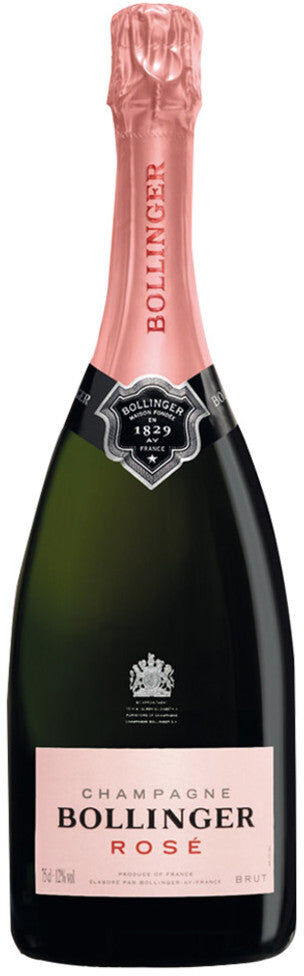
Champagne Rosé Brut Magnum Bollingerthe practice of assemblage, that is, the addition of a share of red wine which, in this case, is about 5-6%, most of which comes from Grand Cru and Premier Cru. The secondary fermentation in the bottle occurs as traditionally done in the Méthode Champenoise and exceeds the minimum duration imposed by the regulations. Bollinger Champagne Brut Rosé presents itself with an antique pink color, with a fine perlage that makes it very bright. Its aroma is very pleasant and unfolds in a fruity bouquet of strawberry, currant, and blueberry, also quite ripe, embroidered on a background of shortcrust pastry and almond. The sip is creamy yet fresh and dry; the aromas perfectly correspond to the scents of must and ripe red fruit perceived on the nose, but are inserted in a well-dry taste. It is the same Maison Bollinger that recommends this Brut Rosé Magnum for every occasion: from aperitif to dessert, from picnic on the lawn to afternoon tea break.the practice of assemblage, that is, the addition of a share of red wine which, in this case, is about 5-6%, most of which comes from Grand Cru and Premier Cru. The secondary fermentation in the bottle occurs as traditionally done in the Méthode Champenoise and exceeds the minimum duration imposed by the regulations. Bollinger Champagne Brut Rosé presents itself with an antique pink color, with a fine perlage that makes it very bright. Its aroma is very pleasant and unfolds in a fruity bouquet of strawberry, currant, and blueberry, also quite ripe, embroidered on a background of shortcrust pastry and almond. The sip is creamy yet fresh and dry; the aromas perfectly correspond to the scents of must and ripe red fruit perceived on the nose, but are inserted in a well-dry taste. It is the same Maison Bollinger that recommends this Brut Rosé Magnum for every occasion: from aperitif to dessert, from picnic on the lawn to afternoon tea break.208,00 £*Shipping: 48,00 £Secure redirect to the provider
-
Who still understands Pope Francis?
Pope Francis is understood by a wide range of people, including Catholics, other Christians, and individuals of various faiths or no faith at all. His messages of compassion, social justice, and care for the environment resonate with many people around the world. Additionally, his efforts to address issues such as poverty, inequality, and the refugee crisis have garnered support from diverse communities. While there may be disagreements or misunderstandings about certain aspects of his teachings, Pope Francis continues to have a significant impact and is understood by a broad audience. **
-
Can champagne go bad?
Yes, champagne can go bad if it is not stored properly. Exposure to light, heat, or fluctuations in temperature can cause champagne to spoil. Additionally, if the cork is not sealed tightly or if the bottle is stored upright, the champagne can oxidize and lose its flavor. It is best to store champagne in a cool, dark place on its side to keep it fresh for longer. **
-
Will Pope Francis also eventually die?
Yes, Pope Francis, like all humans, will eventually die. As the leader of the Catholic Church, he is not exempt from the natural process of life and death. While his role as Pope is significant, it does not grant him immortality. Like his predecessors, Pope Francis will one day pass away, and a new Pope will be elected to take his place. **
-
Does Pope Francis plan to resign?
There is no official announcement or indication from Pope Francis himself that he plans to resign. In fact, Pope Francis has previously stated that he believes that the idea of a pope emeritus, as his predecessor Pope Benedict XVI became after his resignation, should be an exception rather than a rule. Therefore, at this time, there is no evidence to suggest that Pope Francis plans to resign. **
* All prices are inclusive of VAT and, if applicable, plus shipping costs. The offer information is based on the details provided by the respective shop and is updated through automated processes. Real-time updates do not occur, so deviations can occur in individual cases. ** Note: Parts of this content were created by AI.