Buy sun-studio.eu ?
We are moving the project
sun-studio.eu .
Are you interested in purchasing the domain
sun-studio.eu ?
domain@kv-gmbh.de · 0541-91531010
Buy sun-studio.eu ?
When are receptors formed?
Receptors are formed during early development in the womb. They are essential proteins that are embedded in cell membranes and play a crucial role in transmitting signals from the external environment to the inside of the cell. The formation of receptors is a complex process that involves specific genetic instructions and protein synthesis. Once formed, receptors continue to be expressed and regulated throughout an individual's life to ensure proper cellular communication and function. **
Are receptors sensory cells?
Receptors are not sensory cells themselves, but they are specialized proteins located on the surface of sensory cells. These receptors are responsible for detecting and responding to specific stimuli, such as light, sound, taste, or smell. When a receptor is activated by a stimulus, it triggers a series of biochemical reactions within the sensory cell, ultimately leading to the generation of a sensory signal that can be transmitted to the brain for processing. Therefore, while receptors are not sensory cells, they play a crucial role in the sensory process by detecting and transducing stimuli into neural signals. **

Similar search terms for Receptors
Top-Angebote
Products related to Receptors:
-
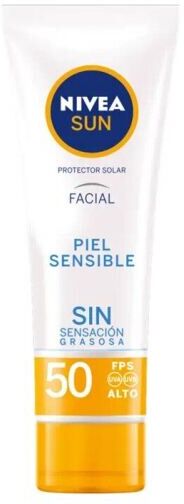
Nivea Sun Sensitive Facial Sunscreen SPF 50 50 mlHealth and Beauty Creams Nivea Sun Sensitive Facial Sunscreen SPF 50 50 ml Nivea Sun UV Sensitive Control SPF 50 is specially developed for sensitive facial skin. Formulated for those with sensitive skin, this lightweight, non-greasy, non-sticky facial sunscreen absorbs quickly, protects against UVA and UVB rays, and offers Broad Spectrum SPF50 protection. The light-touch texture provides a dry-to-the-touch surface, making it ideal for everyday wear and easy makeup application. Enriched with Vitamin E, an antioxidant that helps hydrate, repair and protect the skin. Dermatologically tested and suitable for people with sensitive skin: Protection that cares for your skin! The skin compatibility of this facial sunscreen has been dermatologically approved. Benefits: Sensitive skin: specially formulated for delicate facial skin and sensitive skin. UVA/UVB protection: highly effective against sunburn and premature aging of the skin. Quick absorption: light, non-greasy and non-sticky skin feeling. QUALITY INGREDIENTS: Enriched with Vitamin E to help hydrate, repair and protect skin. Skin Safe: dermatologically tested compatibility. How to use: Apply liberally and evenly to exposed skin. Always apply 20 minutes before sun exposure. Warnings: Avoid contact with the eyes. Reapply regularly, every 2 hours or more often when sweating and also after swimming or towel drying. Do not expose young children to direct sunlight. Avoid intense midday sun and prolonged sun exposure. Protective clothing, sunglasses, and wide-brimmed hats should be worn. Let the product dry before dressing. Do not use on broken, damaged or diseased skin. Avoid contact with fabrics and hard surfaces to avoid staining. Store below 30C.9,23 £*Shipping: 3,99 £Secure redirect to the provider
-
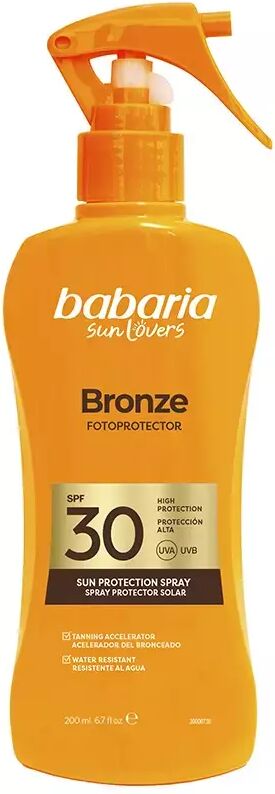
Babaria Sun Lovers Bronze Spray Sunscreen SPF30 200 mlHealth and Beauty Creams Babaria Sun Lovers Bronze Spray Sunscreen SPF30 200 ml What is Sun Lovers Bronze Spray Sunscreen SPF30 200ml? Sun Lovers Bronze Spray Sunscreen SPF30 200ml is the body sunscreen spray from Babaria's Bronze range. Unlike the oils in the same range, this is a water-based emulsion: it leaves no oily residue or shine, absorbs without leaving a film, and won't stain clothes or sun loungers. It offers high SPF30 protection and covers both UVB and UVA rays. Benefits This is the Bronze range's option for those who want a tan without the greasy feeling: it contains a tan accelerator, so the tan develops quickly, but with the lightness of an emulsion. Aloe vera hydrates and soothes, and niacinamide evens out skin tone. The spray makes reapplication truly effective: it covers back and legs in seconds. It's water-resistant. Suitable for vegans, dermatologically tested, and with a coral-friendly formula according to the manufacturer. It contains parabens, so the "paraben-free" claim is invalid. Who is it for? Suitable for all skin types, including sensitive skin. It's the perfect choice for those who can't stand oily sunscreens and for those who will be active at the beach or playing outdoor sports. How to apply Sun Lovers Bronze Spray Sunscreen SPF30 200ml? Shake well before use. Spray evenly and generously onto dry skin before sun exposure and spread with your hand, remembering to cover ears, insteps, and the back of the neck. Product use Reapply frequently, and always after sweating, bathing, or toweling off. For body use. Keep babies and young children out of direct sunlight and avoid contact with eyes.12,11 £*Shipping: 3,99 £Secure redirect to the provider
-
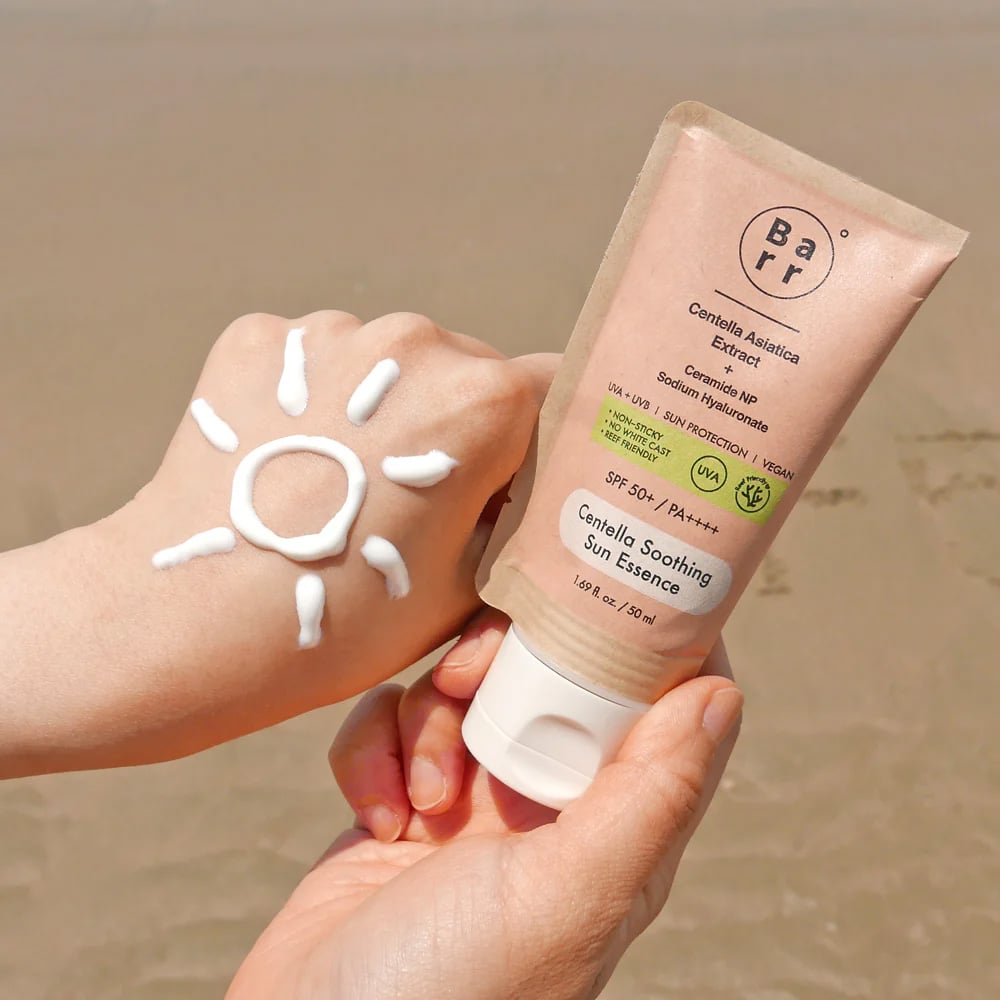
Perfect Picks Market Sun Stick Sunscreen Lightweight UV Protection For Face And Body Sun Stick Sunscreen Lightweight UV Protection For Face And BodySun protection should feel effortless, not heavy or greasy. This sleek sun stick sunscreen glides on smoothly, delivering powerful SPF50 defense without disrupting your look. Designed for busy lifestyles, it offers a breathable, matte finish that...39,97 $*Shipping: 0,00 $Secure redirect to the provider

-
What are hormone receptors?
Hormone receptors are proteins located on the surface or within the cells of target tissues that are capable of binding to specific hormones. When a hormone binds to its receptor, it triggers a series of cellular responses that ultimately lead to changes in gene expression, cell function, or metabolism. Hormone receptors are crucial for the regulation of various physiological processes in the body, including growth, metabolism, and reproduction. Different types of hormones, such as steroid hormones, thyroid hormones, and peptide hormones, have specific receptors that they bind to in order to exert their effects on target cells. **
-
Do organs have pain receptors?
No, organs themselves do not have pain receptors. Pain receptors, also known as nociceptors, are specialized nerve cells that detect tissue damage and send signals to the brain to indicate pain. While organs do not have pain receptors, the tissues surrounding organs, such as the lining of the abdomen or chest, can contain nociceptors and can transmit pain signals if they are damaged or inflamed. **
-
Why are there 1 million receptors per cm2 if there are 100,000 receptors per cm2?
There may be 1 million receptors per cm2 if there are 100,000 receptors per cm2 because the receptors may be densely packed together, allowing for more receptors to fit within the same area. Additionally, having a higher density of receptors may increase the sensitivity and efficiency of the sensory system in detecting and responding to stimuli. This high density of receptors may be particularly important in areas of the body that require a high level of sensitivity, such as the fingertips or the tongue. **
-
Which medications block the nicotine receptors?
Medications such as varenicline (Chantix) and bupropion (Zyban) are known to block nicotine receptors in the brain. By blocking these receptors, these medications reduce the pleasurable effects of nicotine, making it easier for individuals to quit smoking. These medications are often used as part of a comprehensive smoking cessation program to help individuals overcome their addiction to nicotine. **
Do Zolpidem and/or Benzodiazepines affect dopamine receptors?
Zolpidem and benzodiazepines primarily act on the GABA-A receptors in the brain, which are involved in the regulation of anxiety and sleep. While they do not directly affect dopamine receptors, they can indirectly influence dopamine levels in the brain by modulating the activity of other neurotransmitter systems. For example, benzodiazepines have been shown to indirectly affect dopamine release in certain brain regions. However, their primary mechanism of action is not through direct interaction with dopamine receptors. **
What happens in neurology when receptors are blocked?
When receptors are blocked in neurology, it can lead to a decrease in the transmission of signals between neurons. This can result in a reduction in the activity of the affected neural pathways, leading to a variety of effects depending on the specific receptors and pathways involved. For example, blocking certain receptors in the brain can lead to decreased pain perception, reduced anxiety, or impaired motor function. In some cases, blocking receptors can also lead to compensatory changes in the nervous system, as the body attempts to restore balance in the face of reduced receptor activity. **
Top-Angebote
Products related to Receptors:
-
Neusc Sun Stick Sunscreen 24 gr SPF 30Health and Beauty Creams Neusc Sun Stick Sunscreen 24 gr SPF 30 The Neusc formula, with its combination of UVA/UVB filters, protects the skin from the harmful effects of the sun by adding a physical-chemical filter to the skin's surface. It forms a barrier that protects against dehydration and redness caused by solar radiation. It is especially recommended for dull skin with very high radiation, for fair skin with high or very high radiation, and for very fair skin with medium or high radiation. Directions for use: External use. Gently glide on in a single stroke and spread over the entire area with your fingertips until completely absorbed. Apply 15 minutes before sun exposure and reapply every 2 hours.11,17 £*Shipping: 3,99 £Secure redirect to the provider
-
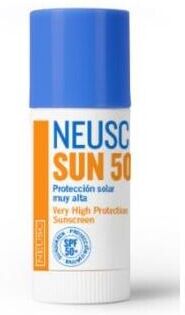
Neusc Sun Stick Sunscreen 24 gr SPF 50+Health and Beauty Creams Neusc Sun Stick Sunscreen 24 gr SPF 50+ The Neusc formula, with its combination of UVA/UVB filters, protects the skin from the harmful effects of the sun by adding a physical-chemical filter to the skin's surface. It forms a barrier that protects against dehydration and redness caused by solar radiation. It is especially recommended for dull skin with very high radiation, for fair skin with high or very high radiation, and for very fair skin with medium or high radiation. Directions for use: External use. Gently glide on in a single stroke and spread over the entire area with your fingertips until completely absorbed. Apply 15 minutes before sun exposure and reapply every 2 hours.12,74 £*Shipping: 3,99 £Secure redirect to the provider
-
Nivea Sun Sensitive Facial Sunscreen SPF 50 50 mlHealth and Beauty Creams Nivea Sun Sensitive Facial Sunscreen SPF 50 50 ml Nivea Sun UV Sensitive Control SPF 50 is specially developed for sensitive facial skin. Formulated for those with sensitive skin, this lightweight, non-greasy, non-sticky facial sunscreen absorbs quickly, protects against UVA and UVB rays, and offers Broad Spectrum SPF50 protection. The light-touch texture provides a dry-to-the-touch surface, making it ideal for everyday wear and easy makeup application. Enriched with Vitamin E, an antioxidant that helps hydrate, repair and protect the skin. Dermatologically tested and suitable for people with sensitive skin: Protection that cares for your skin! The skin compatibility of this facial sunscreen has been dermatologically approved. Benefits: Sensitive skin: specially formulated for delicate facial skin and sensitive skin. UVA/UVB protection: highly effective against sunburn and premature aging of the skin. Quick absorption: light, non-greasy and non-sticky skin feeling. QUALITY INGREDIENTS: Enriched with Vitamin E to help hydrate, repair and protect skin. Skin Safe: dermatologically tested compatibility. How to use: Apply liberally and evenly to exposed skin. Always apply 20 minutes before sun exposure. Warnings: Avoid contact with the eyes. Reapply regularly, every 2 hours or more often when sweating and also after swimming or towel drying. Do not expose young children to direct sunlight. Avoid intense midday sun and prolonged sun exposure. Protective clothing, sunglasses, and wide-brimmed hats should be worn. Let the product dry before dressing. Do not use on broken, damaged or diseased skin. Avoid contact with fabrics and hard surfaces to avoid staining. Store below 30C.9,23 £*Shipping: 3,99 £Secure redirect to the provider
-
When are receptors formed?
Receptors are formed during early development in the womb. They are essential proteins that are embedded in cell membranes and play a crucial role in transmitting signals from the external environment to the inside of the cell. The formation of receptors is a complex process that involves specific genetic instructions and protein synthesis. Once formed, receptors continue to be expressed and regulated throughout an individual's life to ensure proper cellular communication and function. **
-
Are receptors sensory cells?
Receptors are not sensory cells themselves, but they are specialized proteins located on the surface of sensory cells. These receptors are responsible for detecting and responding to specific stimuli, such as light, sound, taste, or smell. When a receptor is activated by a stimulus, it triggers a series of biochemical reactions within the sensory cell, ultimately leading to the generation of a sensory signal that can be transmitted to the brain for processing. Therefore, while receptors are not sensory cells, they play a crucial role in the sensory process by detecting and transducing stimuli into neural signals. **
-
What are hormone receptors?
Hormone receptors are proteins located on the surface or within the cells of target tissues that are capable of binding to specific hormones. When a hormone binds to its receptor, it triggers a series of cellular responses that ultimately lead to changes in gene expression, cell function, or metabolism. Hormone receptors are crucial for the regulation of various physiological processes in the body, including growth, metabolism, and reproduction. Different types of hormones, such as steroid hormones, thyroid hormones, and peptide hormones, have specific receptors that they bind to in order to exert their effects on target cells. **
-
Do organs have pain receptors?
No, organs themselves do not have pain receptors. Pain receptors, also known as nociceptors, are specialized nerve cells that detect tissue damage and send signals to the brain to indicate pain. While organs do not have pain receptors, the tissues surrounding organs, such as the lining of the abdomen or chest, can contain nociceptors and can transmit pain signals if they are damaged or inflamed. **
Similar search terms for Receptors
-
Babaria Sun Lovers Bronze Spray Sunscreen SPF30 200 mlHealth and Beauty Creams Babaria Sun Lovers Bronze Spray Sunscreen SPF30 200 ml What is Sun Lovers Bronze Spray Sunscreen SPF30 200ml? Sun Lovers Bronze Spray Sunscreen SPF30 200ml is the body sunscreen spray from Babaria's Bronze range. Unlike the oils in the same range, this is a water-based emulsion: it leaves no oily residue or shine, absorbs without leaving a film, and won't stain clothes or sun loungers. It offers high SPF30 protection and covers both UVB and UVA rays. Benefits This is the Bronze range's option for those who want a tan without the greasy feeling: it contains a tan accelerator, so the tan develops quickly, but with the lightness of an emulsion. Aloe vera hydrates and soothes, and niacinamide evens out skin tone. The spray makes reapplication truly effective: it covers back and legs in seconds. It's water-resistant. Suitable for vegans, dermatologically tested, and with a coral-friendly formula according to the manufacturer. It contains parabens, so the "paraben-free" claim is invalid. Who is it for? Suitable for all skin types, including sensitive skin. It's the perfect choice for those who can't stand oily sunscreens and for those who will be active at the beach or playing outdoor sports. How to apply Sun Lovers Bronze Spray Sunscreen SPF30 200ml? Shake well before use. Spray evenly and generously onto dry skin before sun exposure and spread with your hand, remembering to cover ears, insteps, and the back of the neck. Product use Reapply frequently, and always after sweating, bathing, or toweling off. For body use. Keep babies and young children out of direct sunlight and avoid contact with eyes.12,11 £*Shipping: 3,99 £Secure redirect to the provider
-
Perfect Picks Market Sun Stick Sunscreen Lightweight UV Protection For Face And Body Sun Stick Sunscreen Lightweight UV Protection For Face And BodySun protection should feel effortless, not heavy or greasy. This sleek sun stick sunscreen glides on smoothly, delivering powerful SPF50 defense without disrupting your look. Designed for busy lifestyles, it offers a breathable, matte finish that...39,97 $*Shipping: 0,00 $Secure redirect to the provider
-
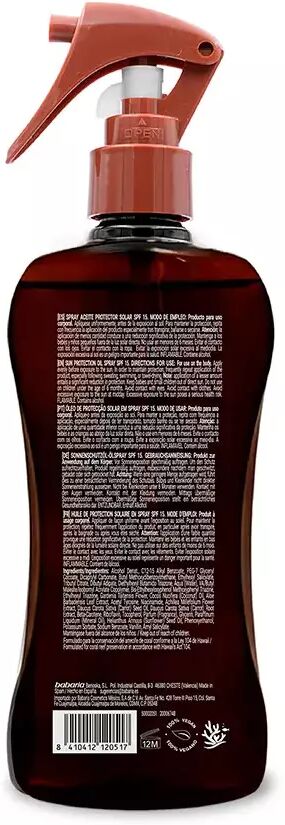
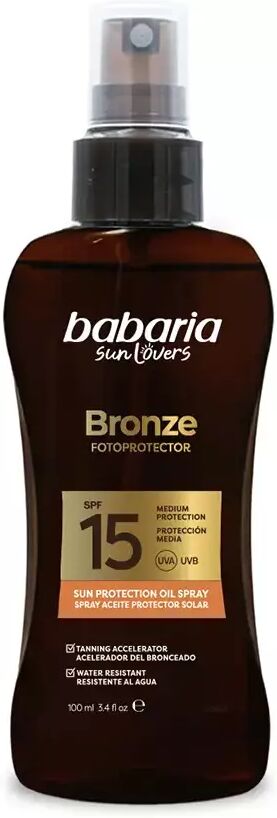
Babaria Sun Lovers Bronze Spray Sunscreen Oil SPF15 300 mlHealth and Beauty Creams Babaria Sun Lovers Bronze Spray Sunscreen Oil SPF15 300 ml What is Sun Lovers Bronze Spray Sunscreen Oil SPF15? Sun Lovers Bronze Spray Sunscreen Oil SPF15 is the spray-on sun oil from Babaria's Bronze range, offering medium protection. It's an oil, not a lotion: simply spray it on, spread it with your hand, and it absorbs instantly, leaving no thick, shiny residue like traditional beach oils. It protects against UVB, UVA, and infrared rays. Benefits SPF 15 is the level to choose when you already have a base color and want to enhance your tan without burning. The formula includes a tan accelerator, coconut oil, Tahitian monoi oil, and carrot oil with beta-carotene, which is what gives that golden, rather than reddish, tone. It also contains aloe vera and niacinamide to prevent dryness. The finish is that of a traditional tanning oil, but with sunscreen and without the sticky feeling. Suitable for vegans, dermatologically tested and with a coral-friendly formula according to the manufacturer. Who is it for? Suitable for all skin types, including sensitive skin, and especially for skin that already has some color and tans easily. Very fair skin or first-time sun exposure requires a higher SPF. How to apply Sun Lovers Bronze Spray Sunscreen Oil SPF15? Shake the container. Spray from about 20 centimeters away, covering the dry skin completely, and spread with your hand to even out the spray. Product use Reapply often, and without fail after every bath or if you sweat heavily. For body use. Do not spray towards the face or near a flame, and be careful not to get it on clothing.12,11 £*Shipping: 3,99 £Secure redirect to the provider
-
Babaria Sun Lovers Bronze Spray Sunscreen Oil SPF15 100 mlHealth and Beauty Creams Babaria Sun Lovers Bronze Spray Sunscreen Oil SPF15 100 ml What is Sun Lovers Bronze Spray Sunscreen Oil SPF15? Sun Lovers Bronze Spray Sunscreen Oil SPF15 is the spray-on sun oil from Babaria's Bronze range, offering medium protection. It's an oil, not a lotion: simply spray it on, spread it with your hand, and it absorbs instantly, leaving no thick, shiny residue like traditional beach oils. It protects against UVB, UVA, and infrared rays. Benefits SPF 15 is the level to choose when you already have a base color and want to enhance your tan without burning. The formula includes a tan accelerator, coconut oil, Tahitian monoi oil, and carrot oil with beta-carotene, which is what gives that golden, rather than reddish, tone. It also contains aloe vera and niacinamide to prevent dryness. The finish is that of a traditional tanning oil, but with sunscreen and without the sticky feeling. Suitable for vegans, dermatologically tested and with a coral-friendly formula according to the manufacturer. Who is it for? Suitable for all skin types, including sensitive skin, and especially for skin that already has some color and tans easily. Very fair skin or first-time sun exposure requires a higher SPF. How to apply Sun Lovers Bronze Spray Sunscreen Oil SPF15? Shake the container. Spray from about 20 centimeters away, covering the dry skin completely, and spread with your hand to even out the spray. Product use Reapply often, and without fail after every bath or if you sweat heavily. For body use. Do not spray towards the face or near a flame, and be careful not to get it on clothing.6,24 £*Shipping: 3,99 £Secure redirect to the provider
-
Why are there 1 million receptors per cm2 if there are 100,000 receptors per cm2?
There may be 1 million receptors per cm2 if there are 100,000 receptors per cm2 because the receptors may be densely packed together, allowing for more receptors to fit within the same area. Additionally, having a higher density of receptors may increase the sensitivity and efficiency of the sensory system in detecting and responding to stimuli. This high density of receptors may be particularly important in areas of the body that require a high level of sensitivity, such as the fingertips or the tongue. **
-
Which medications block the nicotine receptors?
Medications such as varenicline (Chantix) and bupropion (Zyban) are known to block nicotine receptors in the brain. By blocking these receptors, these medications reduce the pleasurable effects of nicotine, making it easier for individuals to quit smoking. These medications are often used as part of a comprehensive smoking cessation program to help individuals overcome their addiction to nicotine. **
-
Do Zolpidem and/or Benzodiazepines affect dopamine receptors?
Zolpidem and benzodiazepines primarily act on the GABA-A receptors in the brain, which are involved in the regulation of anxiety and sleep. While they do not directly affect dopamine receptors, they can indirectly influence dopamine levels in the brain by modulating the activity of other neurotransmitter systems. For example, benzodiazepines have been shown to indirectly affect dopamine release in certain brain regions. However, their primary mechanism of action is not through direct interaction with dopamine receptors. **
-
What happens in neurology when receptors are blocked?
When receptors are blocked in neurology, it can lead to a decrease in the transmission of signals between neurons. This can result in a reduction in the activity of the affected neural pathways, leading to a variety of effects depending on the specific receptors and pathways involved. For example, blocking certain receptors in the brain can lead to decreased pain perception, reduced anxiety, or impaired motor function. In some cases, blocking receptors can also lead to compensatory changes in the nervous system, as the body attempts to restore balance in the face of reduced receptor activity. **
* All prices are inclusive of VAT and, if applicable, plus shipping costs. The offer information is based on the details provided by the respective shop and is updated through automated processes. Real-time updates do not occur, so deviations can occur in individual cases. ** Note: Parts of this content were created by AI.