Buy sun-studio.eu ?
We are moving the project
sun-studio.eu .
Are you interested in purchasing the domain
sun-studio.eu ?
domain@kv-gmbh.de · 0541-91531010
Buy sun-studio.eu ?
How are fossils formed and what are fossils?
Fossils are the preserved remains or traces of ancient organisms, such as plants, animals, and other organisms, that lived in the distant past. Fossils are formed through a process called fossilization, which occurs when an organism is buried in sediment, such as mud or sand, and over time, the organic material is replaced by minerals. This process can create a replica of the original organism, preserving its structure and sometimes even its soft tissues. Fossils provide valuable information about the history of life on Earth and are important for understanding evolution and past environments. **
What is the difference between fossils and living fossils?
Fossils are the preserved remains or traces of organisms that lived in the past, typically found in rocks or sediment. They provide evidence of the existence of ancient life forms. Living fossils, on the other hand, are organisms that have remained relatively unchanged over long periods of time and are similar to their ancient ancestors. While fossils are the remains of organisms that have gone extinct, living fossils are species that have survived for millions of years with little or no change in their physical appearance. **

Similar search terms for Fossils
Top-Angebote
Products related to Fossils:
-
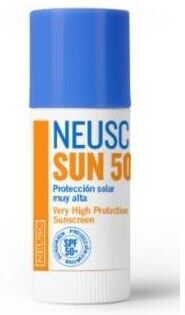
Neusc Sun Stick Sunscreen 24 gr SPF 50+Health and Beauty Creams Neusc Sun Stick Sunscreen 24 gr SPF 50+ The Neusc formula, with its combination of UVA/UVB filters, protects the skin from the harmful effects of the sun by adding a physical-chemical filter to the skin's surface. It forms a barrier that protects against dehydration and redness caused by solar radiation. It is especially recommended for dull skin with very high radiation, for fair skin with high or very high radiation, and for very fair skin with medium or high radiation. Directions for use: External use. Gently glide on in a single stroke and spread over the entire area with your fingertips until completely absorbed. Apply 15 minutes before sun exposure and reapply every 2 hours.8,34 £*Shipping: 3,99 £Secure redirect to the provider
-
Perfect Picks Market Sun Stick Sunscreen Lightweight UV Protection For Face And Body Sun Stick Sunscreen Lightweight UV Protection For Face And BodySun protection should feel effortless, not heavy or greasy. This sleek sun stick sunscreen glides on smoothly, delivering powerful SPF50 defense without disrupting your look. Designed for busy lifestyles, it offers a breathable, matte finish that...39,97 $*Shipping: 0,00 $Secure redirect to the provider
-
G9 Skin White in Milk Sun Plus Sunscreen 40mL SPF50+A sunscreen for wrinkles and signs of ageing. White in Milk Sun Plus SPF50+/ PA++++, effectively safeguarding the skin against the harmful effects of UVA and UVB rays, all while ensuring there's no white residue left behind. This daily, broad-spectrum sunscreen easily absorbs into the skin, offering SPF50+ and comprehensive protection against both UVA and UVB rays.12,24 £*Shipping: 5,28 £Secure redirect to the provider
-
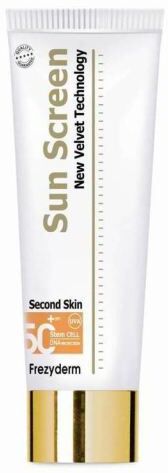
Velvet Sun Screen Velvet Sunscreen Body Spf 50+ 125 mlHealth and Beauty Creams Velvet Sun Screen Velvet Sunscreen Body Spf 50+ 125 ml - Ideal for phototypes I & II, sensitive skin, and skin with moles or scars. Daily use. - Prevents signs of aging and protects against white spots caused by sun exposure. - Suitable for all skin types and all ages. Due to its larger volume, it is suitable for application to large areas of the body, such as the arms, back, and décolletage. - Very high UVB 50+ UVA VIS // IRA protection.30,95 £*Shipping: 3,99 £Secure redirect to the provider


-
Are seahorses living fossils?
Seahorses are not considered living fossils. While they have existed for millions of years and have remained relatively unchanged in terms of their unique body shape and characteristics, they have evolved and adapted to their environments over time. Living fossils typically refer to species that have remained virtually unchanged for millions of years, which is not the case for seahorses. **
-
How accurate are fossils?
Fossils are generally considered to be quite accurate in providing information about past life forms and environments. They can give us insights into the anatomy, behavior, and evolutionary history of organisms that lived millions of years ago. However, there are limitations to their accuracy, as the fossilization process can be selective and not all organisms are preserved as fossils. Additionally, interpretation of fossils can sometimes be subjective and open to different interpretations. **
-
Are dinosaur fossils fake?
No, dinosaur fossils are not fake. Fossils are the preserved remains or traces of ancient organisms, and dinosaur fossils have been found all over the world by paleontologists. These fossils provide valuable information about the existence and characteristics of dinosaurs that lived millions of years ago. The study of dinosaur fossils has greatly contributed to our understanding of prehistoric life on Earth. **
-
What are living fossils?
Living fossils are organisms that have remained relatively unchanged over long periods of time, often millions of years. These organisms are often found in the fossil record and are thought to have been extinct, only to be discovered alive and well today. Living fossils provide valuable insights into the evolutionary history of life on Earth and can help scientists understand how certain species have been able to survive and adapt over time. Examples of living fossils include the coelacanth, horseshoe crab, and ginkgo tree. **

What are index fossils?
Index fossils are fossils of organisms that were widespread and lived for a relatively short period of time. These fossils are used by geologists and paleontologists to help determine the age of rock layers and the relative timing of geological events. Index fossils are particularly useful for correlating rock layers from different locations, as they provide a way to match up the ages of rocks based on the presence of the same fossil species. These fossils are important for understanding the Earth's history and for dating the timing of events in the geological record. **
What fossils are these?
These fossils are ammonite fossils. Ammonites were marine mollusks that lived during the time of the dinosaurs, around 240-65 million years ago. They had coiled shells with intricate patterns and are commonly found as fossils in sedimentary rocks. Ammonites are important for understanding ancient marine ecosystems and for dating rock layers. **
Top-Angebote
Products related to Fossils:
-
Neusc Sun Stick Sunscreen 24 gr SPF 30Health and Beauty Creams Neusc Sun Stick Sunscreen 24 gr SPF 30 The Neusc formula, with its combination of UVA/UVB filters, protects the skin from the harmful effects of the sun by adding a physical-chemical filter to the skin's surface. It forms a barrier that protects against dehydration and redness caused by solar radiation. It is especially recommended for dull skin with very high radiation, for fair skin with high or very high radiation, and for very fair skin with medium or high radiation. Directions for use: External use. Gently glide on in a single stroke and spread over the entire area with your fingertips until completely absorbed. Apply 15 minutes before sun exposure and reapply every 2 hours.7,35 £*Shipping: 3,99 £Secure redirect to the provider
-
Neusc Sun Stick Sunscreen 24 gr SPF 50+Health and Beauty Creams Neusc Sun Stick Sunscreen 24 gr SPF 50+ The Neusc formula, with its combination of UVA/UVB filters, protects the skin from the harmful effects of the sun by adding a physical-chemical filter to the skin's surface. It forms a barrier that protects against dehydration and redness caused by solar radiation. It is especially recommended for dull skin with very high radiation, for fair skin with high or very high radiation, and for very fair skin with medium or high radiation. Directions for use: External use. Gently glide on in a single stroke and spread over the entire area with your fingertips until completely absorbed. Apply 15 minutes before sun exposure and reapply every 2 hours.8,34 £*Shipping: 3,99 £Secure redirect to the provider
-
Perfect Picks Market Sun Stick Sunscreen Lightweight UV Protection For Face And Body Sun Stick Sunscreen Lightweight UV Protection For Face And BodySun protection should feel effortless, not heavy or greasy. This sleek sun stick sunscreen glides on smoothly, delivering powerful SPF50 defense without disrupting your look. Designed for busy lifestyles, it offers a breathable, matte finish that...39,97 $*Shipping: 0,00 $Secure redirect to the provider
-
How are fossils formed and what are fossils?
Fossils are the preserved remains or traces of ancient organisms, such as plants, animals, and other organisms, that lived in the distant past. Fossils are formed through a process called fossilization, which occurs when an organism is buried in sediment, such as mud or sand, and over time, the organic material is replaced by minerals. This process can create a replica of the original organism, preserving its structure and sometimes even its soft tissues. Fossils provide valuable information about the history of life on Earth and are important for understanding evolution and past environments. **
-
What is the difference between fossils and living fossils?
Fossils are the preserved remains or traces of organisms that lived in the past, typically found in rocks or sediment. They provide evidence of the existence of ancient life forms. Living fossils, on the other hand, are organisms that have remained relatively unchanged over long periods of time and are similar to their ancient ancestors. While fossils are the remains of organisms that have gone extinct, living fossils are species that have survived for millions of years with little or no change in their physical appearance. **
-
Are seahorses living fossils?
Seahorses are not considered living fossils. While they have existed for millions of years and have remained relatively unchanged in terms of their unique body shape and characteristics, they have evolved and adapted to their environments over time. Living fossils typically refer to species that have remained virtually unchanged for millions of years, which is not the case for seahorses. **
-
How accurate are fossils?
Fossils are generally considered to be quite accurate in providing information about past life forms and environments. They can give us insights into the anatomy, behavior, and evolutionary history of organisms that lived millions of years ago. However, there are limitations to their accuracy, as the fossilization process can be selective and not all organisms are preserved as fossils. Additionally, interpretation of fossils can sometimes be subjective and open to different interpretations. **
Similar search terms for Fossils
-
G9 Skin White in Milk Sun Plus Sunscreen 40mL SPF50+A sunscreen for wrinkles and signs of ageing. White in Milk Sun Plus SPF50+/ PA++++, effectively safeguarding the skin against the harmful effects of UVA and UVB rays, all while ensuring there's no white residue left behind. This daily, broad-spectrum sunscreen easily absorbs into the skin, offering SPF50+ and comprehensive protection against both UVA and UVB rays.12,24 £*Shipping: 5,28 £Secure redirect to the provider
-
Velvet Sun Screen Velvet Sunscreen Body Spf 50+ 125 mlHealth and Beauty Creams Velvet Sun Screen Velvet Sunscreen Body Spf 50+ 125 ml - Ideal for phototypes I & II, sensitive skin, and skin with moles or scars. Daily use. - Prevents signs of aging and protects against white spots caused by sun exposure. - Suitable for all skin types and all ages. Due to its larger volume, it is suitable for application to large areas of the body, such as the arms, back, and décolletage. - Very high UVB 50+ UVA VIS // IRA protection.30,95 £*Shipping: 3,99 £Secure redirect to the provider
-
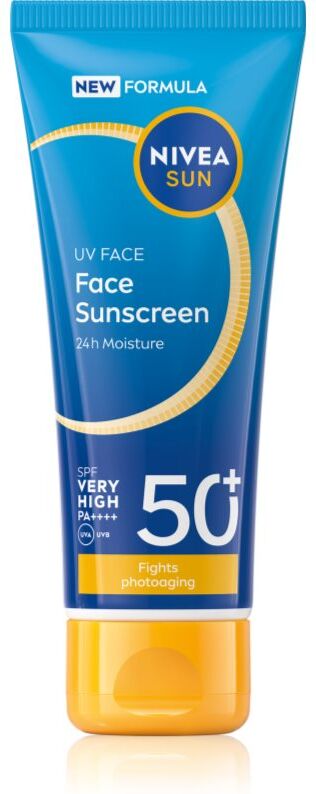
NIVEA SUN UV FACE facial sunscreen SPF 50+ 40 mlNIVEA SUN UV FACE, 40 ml, Protection against Sunlight for Women, Protect your skin against premature ageing and other damage caused by sun exposure. The delicate skin on your face is far more sensitive than the skin on the rest of your body and is exposed to the sun all year round – another reason why it is important not to neglect skin protection. The NIVEA SUN UV FACE is a sunscreen that reliably protects your skin against UV rays and helps you prevent not just sunburn and pigment spots, but also reduced skin elasticity, collagen loss and other signs of skin ageing. Characteristics: protects skin against UVA and UVB radiation protects the skin against premature ageing moisturises intensely is absorbed quickly easy to spread without leaving an oily film7,60 £*Shipping: 3,99 £Secure redirect to the provider
-
milk_shake Sun and More Sunscreen Mist for Hair and Scalp 140mLA sunscreen. Protect hair and scalp with Milk Shake Sun & More Mist —UV defense, hydration, and shine for sun-exposed hair. Sun protection, perfected for hair. Shields hair and scalp from UV damage. Prevents dryness, fading, and sun stress. Hydrates and nourishes for soft, shiny hair. Lightweight mist, easy to apply anytime.20,20 £*Shipping: 5,28 £Secure redirect to the provider
-
Are dinosaur fossils fake?
No, dinosaur fossils are not fake. Fossils are the preserved remains or traces of ancient organisms, and dinosaur fossils have been found all over the world by paleontologists. These fossils provide valuable information about the existence and characteristics of dinosaurs that lived millions of years ago. The study of dinosaur fossils has greatly contributed to our understanding of prehistoric life on Earth. **
-
What are living fossils?
Living fossils are organisms that have remained relatively unchanged over long periods of time, often millions of years. These organisms are often found in the fossil record and are thought to have been extinct, only to be discovered alive and well today. Living fossils provide valuable insights into the evolutionary history of life on Earth and can help scientists understand how certain species have been able to survive and adapt over time. Examples of living fossils include the coelacanth, horseshoe crab, and ginkgo tree. **
-
What are index fossils?
Index fossils are fossils of organisms that were widespread and lived for a relatively short period of time. These fossils are used by geologists and paleontologists to help determine the age of rock layers and the relative timing of geological events. Index fossils are particularly useful for correlating rock layers from different locations, as they provide a way to match up the ages of rocks based on the presence of the same fossil species. These fossils are important for understanding the Earth's history and for dating the timing of events in the geological record. **
-
What fossils are these?
These fossils are ammonite fossils. Ammonites were marine mollusks that lived during the time of the dinosaurs, around 240-65 million years ago. They had coiled shells with intricate patterns and are commonly found as fossils in sedimentary rocks. Ammonites are important for understanding ancient marine ecosystems and for dating rock layers. **
* All prices are inclusive of VAT and, if applicable, plus shipping costs. The offer information is based on the details provided by the respective shop and is updated through automated processes. Real-time updates do not occur, so deviations can occur in individual cases. ** Note: Parts of this content were created by AI.